
For hotel operations, the cleanliness, softness, and neat appearance of linens directly affect the guest experience and are important indicators of service quality. From guest-room bed sheets, duvet covers, and pillowcases to towels, bath towels, staff uniforms, and restaurant tablecloths, hotels must process large quantities of textiles every day. A properly planned hotel laundry equipment system is therefore essential for maintaining a stable linen supply, consistent washing quality, efficient room turnover, and controllable operating costs. The right equipment configuration should be based on room count, occupancy rate, daily linen volume, available space, labor conditions, utility supply, and the required level of automation.
What Equipment Does a Hotel Laundry Room Need?
A complete hotel laundry room normally includes washing, drying, ironing, folding, linen handling, chemical dosing, and water-management equipment. Small hotels may only need several core machines, while larger hotels and resorts generally require a more complete and automated production line.
The main equipment categories include:
- Industrial washer-extractors
- Commercial tumble dryers
- Flatwork ironers
- Automatic linen feeders
- Automatic folding machines
- Automatic chemical dosing systems
- Linen transport carts and sorting tables
- Water treatment equipment
- Drainage and wastewater systems
- Steam or other heating equipment where required
The goal is not to purchase the largest possible machines, but to create a balanced laundry workflow in which washing, drying, ironing, and folding capacities match actual hotel demand.
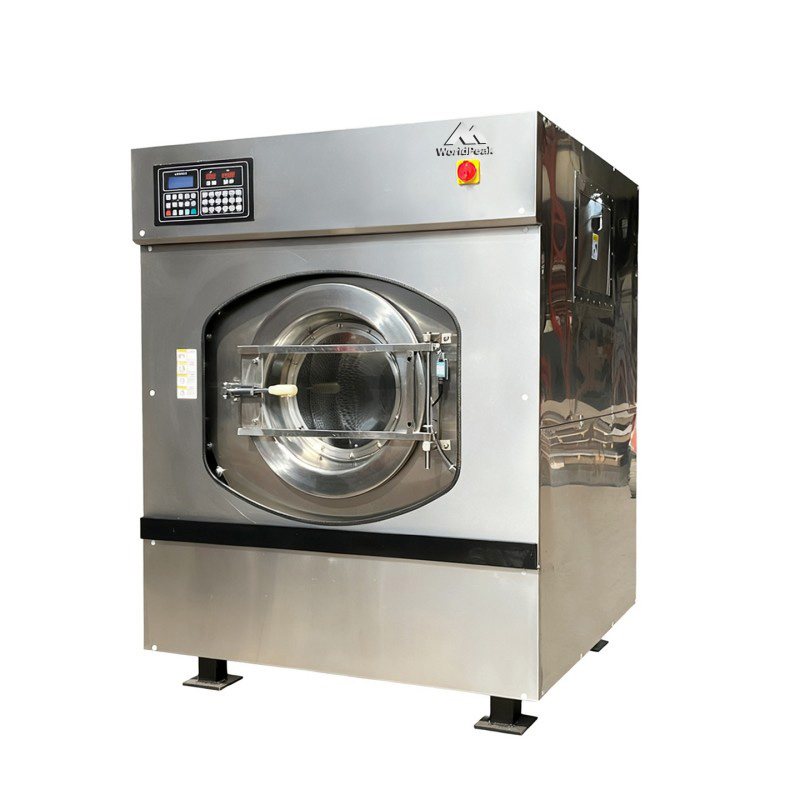
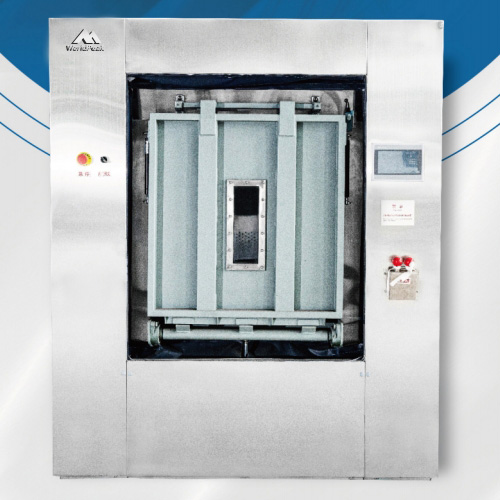
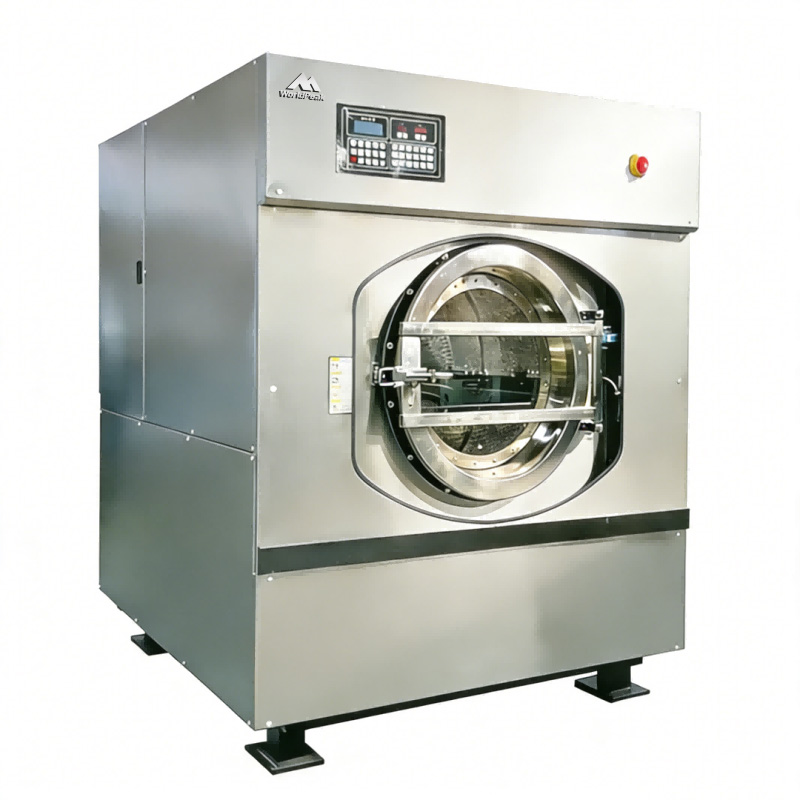
Industrial Washer-Extractors: The Core of a Hotel Laundry Room
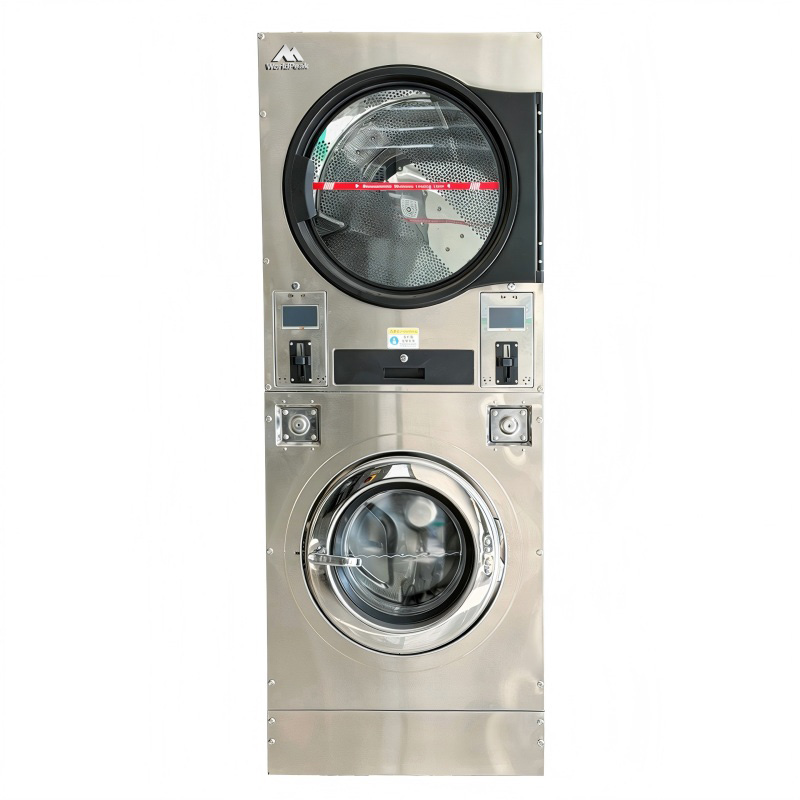
Washing equipment is the core machinery in any hotel laundry room. It performs the essential washing, rinsing, and extraction processes for guest-room linen, restaurant linen, towels, uniforms, and other reusable textiles.
Modern hotels generally use industrial washer-extractors because they combine washing, rinsing, and high-speed extraction in one machine. Compared with separate washing and hydro-extraction systems, washer-extractors reduce manual handling, save floor space, and simplify the laundry process.
Washer-Extractors for Small Hotels
Small guesthouses, boutique hotels, and hotels with relatively low room counts generally do not need very large industrial machines. Compact or medium-capacity commercial washer-extractors can usually meet daily requirements.
These machines are suitable for processing:
- Bed sheets
- Duvet covers
- Pillowcases
- Bath towels
- Hand towels
- Staff uniforms
- Small quantities of restaurant linen
Their compact footprint, simple controls, and integrated washing and extraction functions make them suitable for hotels with limited laundry-room space and staffing.
Washer-Extractors for Medium and Large Hotels
Medium-sized hotels, chain hotels, resorts, and luxury properties process much larger linen volumes and normally require multiple high-capacity washer-extractors.
Several machines can operate in staggered cycles, allowing different linen categories to be washed separately while reducing the risk of linen shortages during peak occupancy periods.
Programmable Washing Cycles
Modern commercial washer-extractors allow operators to store different programs for:
- White bed linen
- Towels and bathrobes
- Restaurant table linen
- Uniforms
- Delicate fabrics
- Heavily soiled textiles
Washing time, water temperature, drum speed, rinsing frequency, chemical dosage, and extraction speed can be adjusted according to textile type and soil level. Standardized programs help improve washing consistency while reducing unnecessary fabric wear.
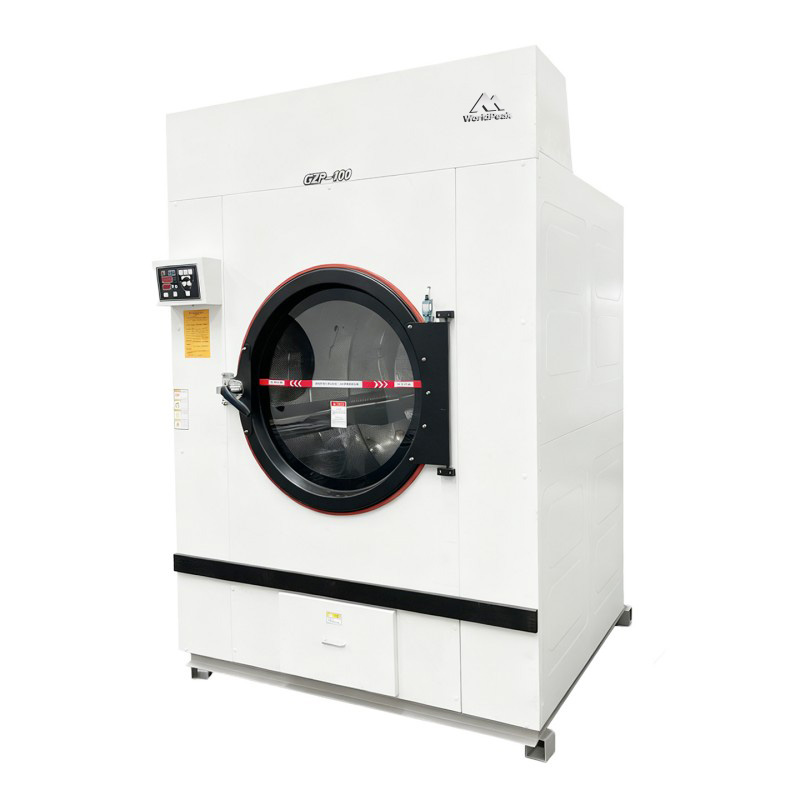
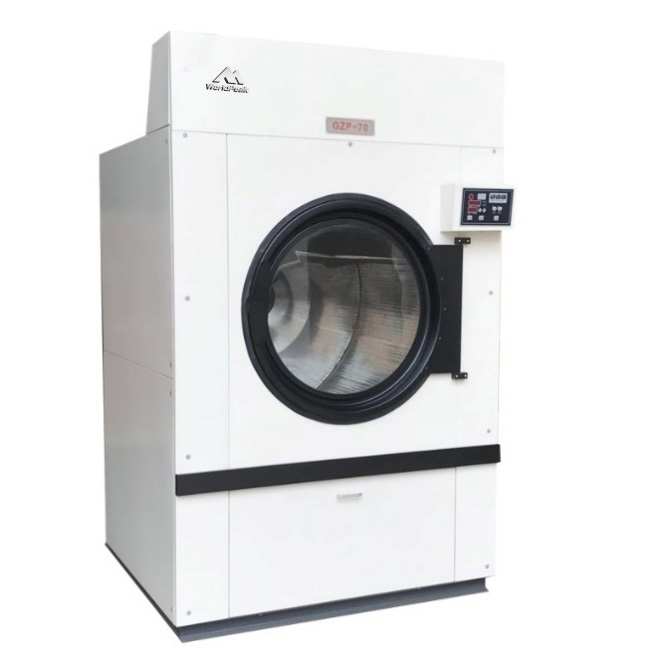
Commercial Tumble Dryers for Hotel Linen
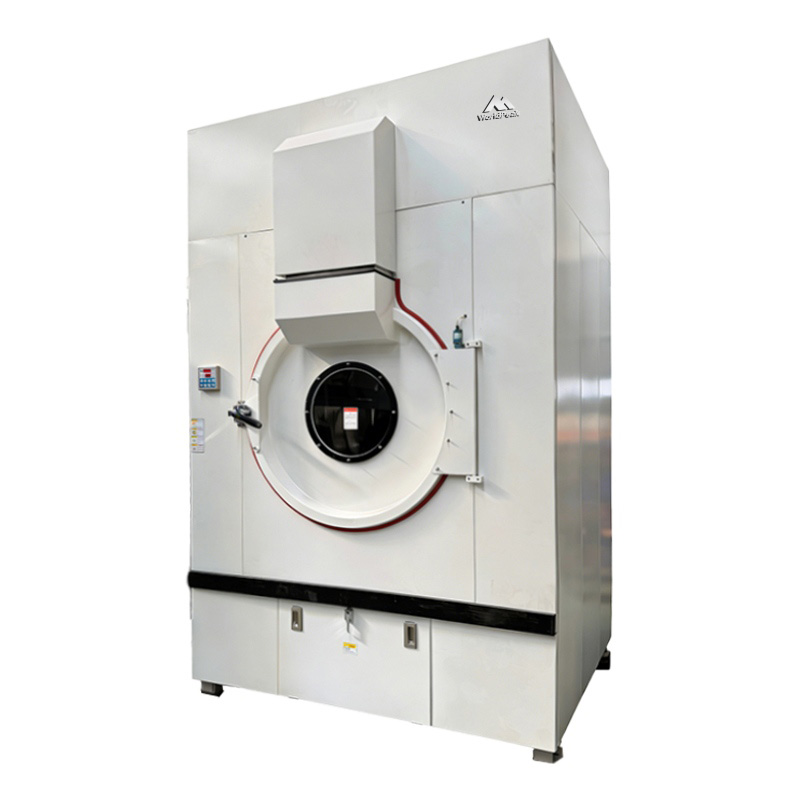
Drying equipment is an essential part of a reliable hotel laundry system. Even after high-speed extraction, towels, uniforms, and other textiles still retain moisture and usually require further drying before reuse or finishing.
Hotels that rely only on natural air drying can experience production delays during rainy or humid weather. Limited drying space can also make it difficult to maintain a stable linen supply during periods of high occupancy.
Why Hotels Need Commercial Dryers
Commercial tumble dryers provide controlled airflow and temperature, allowing hotels to process linen consistently regardless of weather conditions.
Key benefits include:
- Faster drying cycles
- Predictable same-day linen turnaround
- Reduced dependence on weather
- Lower risk of prolonged dampness
- Improved towel softness and fluffiness
- More stable housekeeping operations
Matching Dryer Capacity to Washer Capacity
Drying capacity should be matched with the output of the washer-extractors. If a hotel installs several high-capacity washers but only one small dryer, wet linen may accumulate and create a bottleneck.
The correct dryer configuration depends on textile type, residual moisture after extraction, drying cycle time, and daily laundry volume.
Energy-Efficient Drying
Hotel dryers may use electric, steam, gas, heat-pump, or other heating systems. The most economical choice depends on operating hours, local utility prices, and the hotel's existing infrastructure.
For large hotels with continuous daily operation, energy efficiency can have a significant impact on long-term laundry costs.
Flatwork Ironing and Folding Equipment for Hotels
Clean linen must also look professional. Wrinkled bed sheets, duvet covers, pillowcases, and tablecloths can reduce the perceived quality of a hotel room or restaurant even when the textiles have been thoroughly washed.
For this reason, hotel laundry finishing equipment plays an important role in maintaining presentation standards.
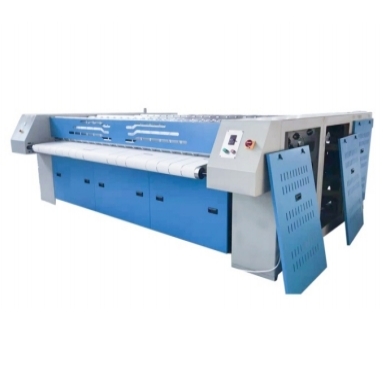
Flatwork Ironers
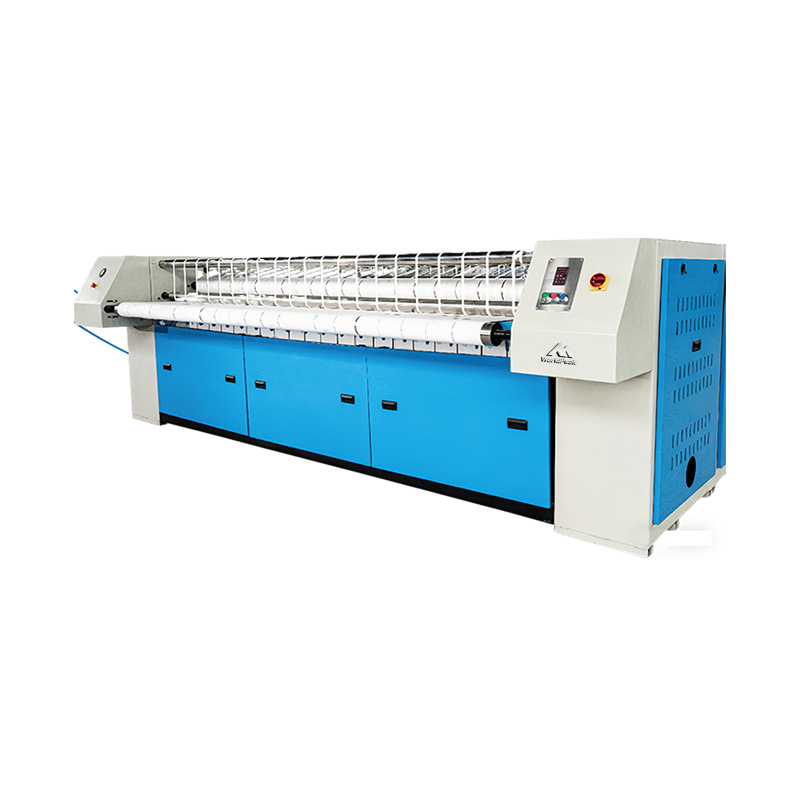
A flatwork ironer is designed for large flat textiles such as:
- Bed sheets
- Duvet covers
- Pillowcases
- Tablecloths
- Napkins
The machine continuously presses and smooths linen through heated rollers, producing a more consistent finish than manual ironing.
Small Hotel Ironing Equipment
Hotels with relatively low processing volumes may use a small or single-roll flatwork ironer together with basic ironing tables for uniforms and guest garments.
Automatic Linen Feeders
Medium-sized and large hotels can add an automatic or semi-automatic linen feeder. The feeder helps spread and position large sheets before they enter the flatwork ironer, reducing repetitive manual handling and improving production speed.
Automatic Folding Machines
High-volume hotels and resorts may also use automatic folding machines to fold, count, and stack finished linen.
A complete hotel finishing line may include:
- Automatic linen feeder
- Multi-roll flatwork ironer
- Automatic folding machine
- Stacking or collection system
This type of automated line improves consistency in linen presentation and can reduce repetitive labor in the finishing section.
Auxiliary Equipment for Hotel Laundry Rooms
A professional hotel laundry requires more than washer-extractors, dryers, and ironers. Supporting equipment helps maintain a smooth workflow and contributes to hygiene, equipment reliability, and consistent washing quality.
Linen Sorting Tables and Transport Carts
Soiled linen should be collected, sorted, washed, and transported through a logical workflow. Dedicated sorting tables and linen carts make it easier to separate textiles by type, color, soil level, or department.
Clean and soiled linen should use separate carts or clearly separated handling procedures wherever practical to reduce unnecessary cross-contact.
Automatic Chemical Dosing System
An automatic chemical dosing system supplies predetermined quantities of detergent, alkali, bleach, softener, and other laundry chemicals according to the selected washing program.
This can help:
- Standardize chemical usage
- Reduce manual dosing errors
- Improve consistency between batches
- Reduce unnecessary chemical waste
- Protect linen from excessive chemical exposure
Water Treatment Equipment
Water quality can directly affect washing results and equipment condition. In areas with hard water, water-softening or treatment equipment can reduce scale buildup inside washers, heating systems, valves, and pipes.
Appropriate water treatment can also help maintain more consistent washing performance.
Drainage and Wastewater Management
Hotel laundry rooms discharge significant quantities of water during peak washing periods. Drainage systems should therefore be sized to handle simultaneous machine discharge.
Wastewater treatment and discharge requirements vary by location. Hotels should confirm applicable environmental and building regulations during the laundry-room design stage.
Hotel Laundry Equipment Configuration by Hotel Size
The correct hotel laundry equipment configuration depends mainly on room count, occupancy rate, linen replacement frequency, restaurant and spa services, operating hours, and whether all linen is processed in-house.
Small Hotel or Guesthouse
Small hotels and guesthouses with relatively low linen volumes can use a streamlined equipment package.
A typical setup may include:
- 1-2 commercial washer-extractors
- 1-2 matching tumble dryers
- 1 small flatwork ironer
- Basic ironing table
- Linen carts and sorting tables
This configuration helps control initial investment while covering the essential washing, drying, and finishing processes.
Medium-Sized Hotel
Hotels with around 100 rooms or more and relatively stable occupancy usually require a standardized laundry production line.
A typical configuration may include:
- Multiple medium- or large-capacity washer-extractors
- Multiple commercial dryers
- Automatic chemical dosing system
- Flatwork ironer
- Optional linen feeder
- Optional folding machine
- Linen carts and sorting equipment
The objective is to balance production capacity with labor requirements and maintain reliable linen turnover during busy periods.
Large Luxury Hotel or Resort
Large luxury hotels and resorts often process substantial quantities of bed linen, towels, restaurant linen, spa textiles, uniforms, and guest garments every day.
A complete system may include:
- Multiple high-capacity washer-extractors
- Multiple high-capacity tumble dryers
- Automatic chemical dosing
- Automatic linen feeder
- Multi-roll high-speed flatwork ironer
- Automatic folding machine
- Water treatment equipment
- Steam or centralized heating system
- Garment finishing equipment
Greater automation can reduce repetitive manual work and support more consistent production during periods of high occupancy.
How to Choose Hotel Laundry Equipment
1. Calculate Daily Linen Volume
Start by estimating the total amount of linen processed each day, including guest-room bedding, towels, restaurant textiles, uniforms, spa linen, and other washable items.
The dry weight of daily laundry provides a more useful basis for machine selection than room count alone.
2. Consider Occupancy Rate
A 200-room hotel operating at 40% occupancy has very different laundry requirements from the same hotel operating near full occupancy. Peak-season demand should therefore be included when planning capacity.
3. Determine Linen Turnaround Requirements
Hotels that need same-day washing and reuse require greater washing, drying, and finishing capacity than properties that maintain a larger linen inventory and allow longer turnaround times.
4. Match Washer, Dryer, and Ironer Capacities
All production stages should be planned together. Oversized washers paired with undersized dryers or ironers can create bottlenecks and reduce overall efficiency.
5. Evaluate Available Utilities
Before purchasing equipment, confirm:
- Electrical capacity
- Water supply
- Drainage
- Steam availability
- Gas supply where applicable
- Ventilation and exhaust
- Floor loading capacity
6. Consider Laundry Room Space
Adequate space should be reserved not only for machines, but also for loading, unloading, linen carts, sorting, maintenance, storage, and safe staff movement.
7. Evaluate Automation and Labor Costs
Small hotels may rely more on manual finishing, while larger hotels can benefit from automated feeding, folding, and chemical dosing systems. The appropriate automation level depends on production volume and local labor costs.
8. Consider Energy and Water Consumption
Equipment should be evaluated based on total operating cost rather than purchase price alone. Water consumption, extraction performance, dryer efficiency, heating method, and maintenance requirements all affect long-term costs.
9. Review After-Sales Support
Laundry equipment is closely linked to housekeeping operations. Reliable technical support, spare-parts supply, warranty coverage, installation, and maintenance services can reduce downtime and help maintain a stable linen supply.
Frequently Asked Questions About Hotel Laundry Equipment
What equipment is needed for a hotel laundry room?
A basic hotel laundry room normally requires industrial washer-extractors, tumble dryers, flatwork ironing equipment, linen carts, sorting tables, and suitable water and drainage infrastructure. Larger hotels may also need automatic feeders, folding machines, chemical dosing systems, water treatment, and steam equipment.
What size washing machine is suitable for a hotel?
The correct capacity depends on room count, occupancy, daily linen weight, operating hours, and laundry frequency. Small hotels may use 20-30 kg machines, while large hotels and centralized laundry rooms may require 50 kg, 100 kg, or multiple machines of different capacities.
How many washer-extractors does a hotel need?
The number depends on total daily linen weight, machine capacity, wash-cycle duration, operating hours, and whether different textile categories need to be processed separately. Using multiple machines can also provide backup capacity during maintenance.
Does a hotel need an industrial dryer?
A commercial dryer is highly useful for hotels that require predictable linen turnaround. It reduces dependence on weather and drying space and is particularly important for towels, bathrobes, uniforms, and other textiles that require complete drying.
Does a hotel need a flatwork ironer?
Hotels processing bed sheets, duvet covers, pillowcases, or tablecloths in-house generally benefit from a flatwork ironer because it provides faster and more consistent finishing than manual ironing.
Should a hotel buy an automatic folding machine?
Small hotels may not need one. Medium-sized and large hotels processing high volumes of flat linen can benefit from automatic folding because it reduces repetitive manual labor and produces more consistent folds.
Is steam heating better for a hotel laundry?
Steam heating is commonly used in larger hotel laundries that already have centralized steam infrastructure. Electric heating may be more practical for smaller installations. The best choice depends on local utility prices, available infrastructure, and daily operating volume.
How can hotels reduce laundry operating costs?
Hotels can reduce costs by selecting appropriately sized machines, improving washer extraction performance, matching dryer capacity, using standardized wash programs, controlling chemical dosing, maintaining equipment regularly, and selecting an efficient heating method.
How should clean and soiled hotel linen be handled?
Clean and soiled linen should be sorted, stored, and transported separately wherever practical. Dedicated carts, storage areas, and a logical one-direction workflow can help maintain better hygiene and organization.
Conclusion
A successful hotel laundry equipment system is not defined by the number or size of its machines, but by how well the entire configuration matches the hotel's actual laundry requirements.
Small hotels can operate efficiently with compact washer-extractors, dryers, and basic ironing equipment. Medium-sized hotels usually benefit from multiple machines and a standardized finishing line, while large luxury hotels and resorts may require a fully integrated system combining high-capacity washing, drying, automatic feeding, ironing, folding, chemical dosing, and water treatment.
By considering room count, occupancy rate, daily linen volume, turnaround requirements, available space, utilities, labor costs, energy consumption, and future expansion, hotels can create a balanced laundry system that maintains clean, dry, smooth, and consistently finished linen while supporting efficient housekeeping operations and controlling long-term operating costs.