
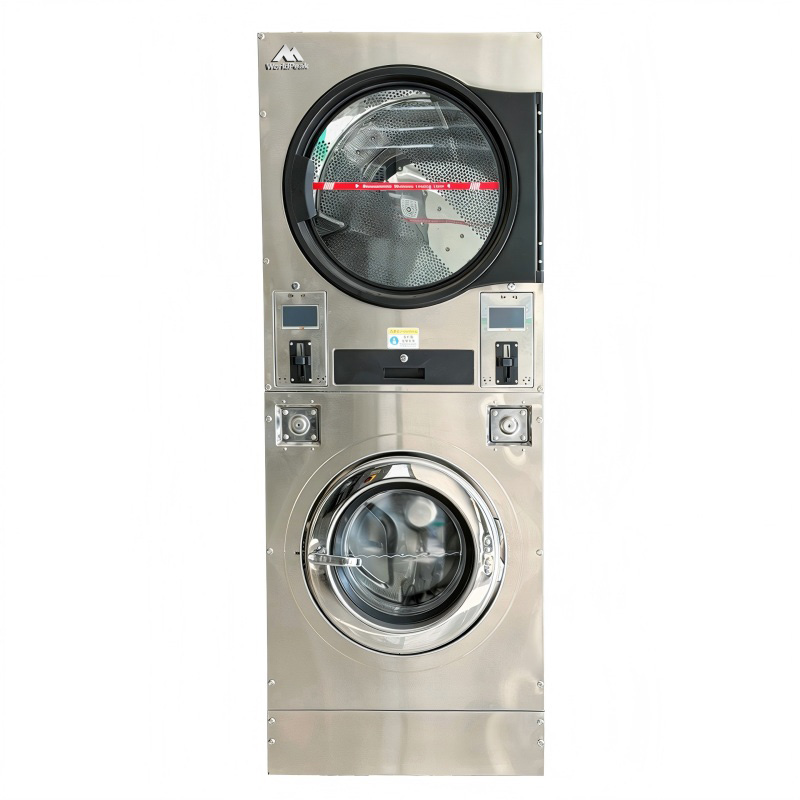
As demand for outsourced linen services from hotels, guesthouses, restaurants, hospitals, and other institutions continues to increase, professional commercial laundry plants have become an important part of the service industry. Many first-time entrepreneurs make the mistake of purchasing only basic washing machines and starting operations without planning the complete workflow. This can later lead to low washing efficiency, excessive labor requirements, production bottlenecks, and insufficient capacity during peak periods. A professional commercial laundry plant equipment system should therefore be planned as a complete production line covering washing, drying, ironing, folding, linen handling, chemical dosing, and supporting utilities. According to daily processing volume, laundry plants can generally be divided into small start-up operations, medium-sized standard laundries, and large automated laundry plants.
- What Equipment Does a Commercial Laundry Plant Need?
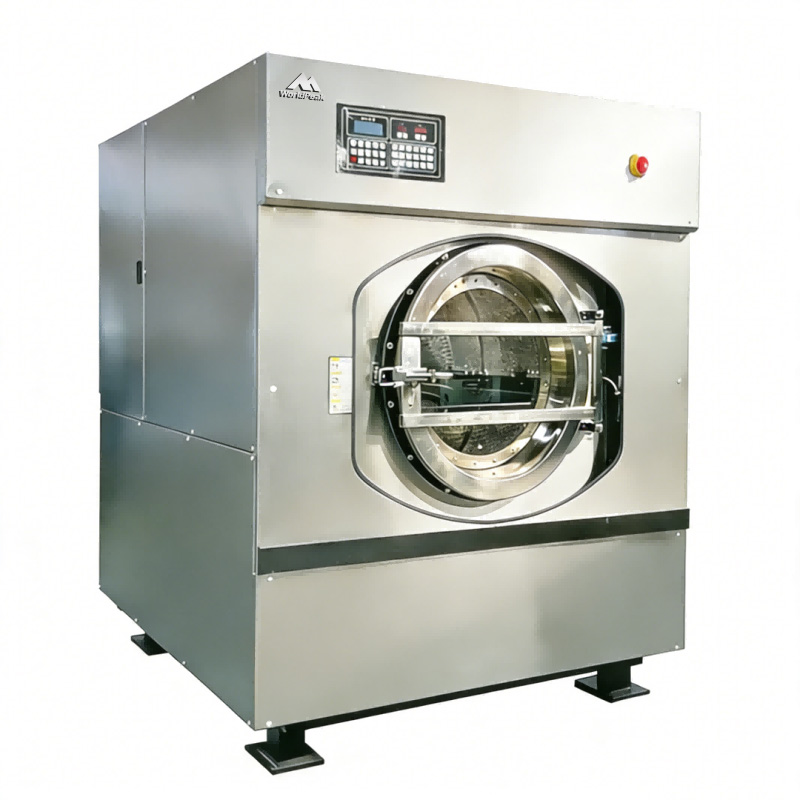
- Industrial Washer-Extractors
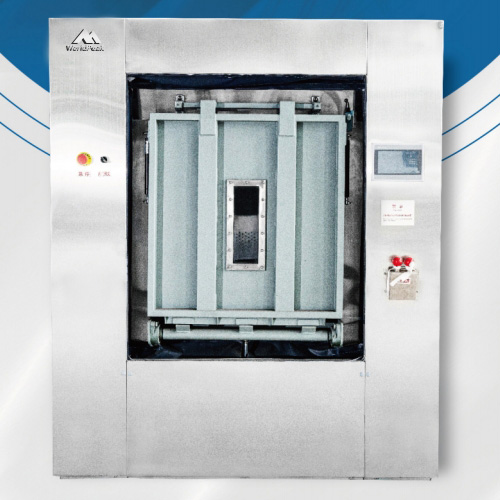
- Barrier Washer-Extractors for Medical Laundry
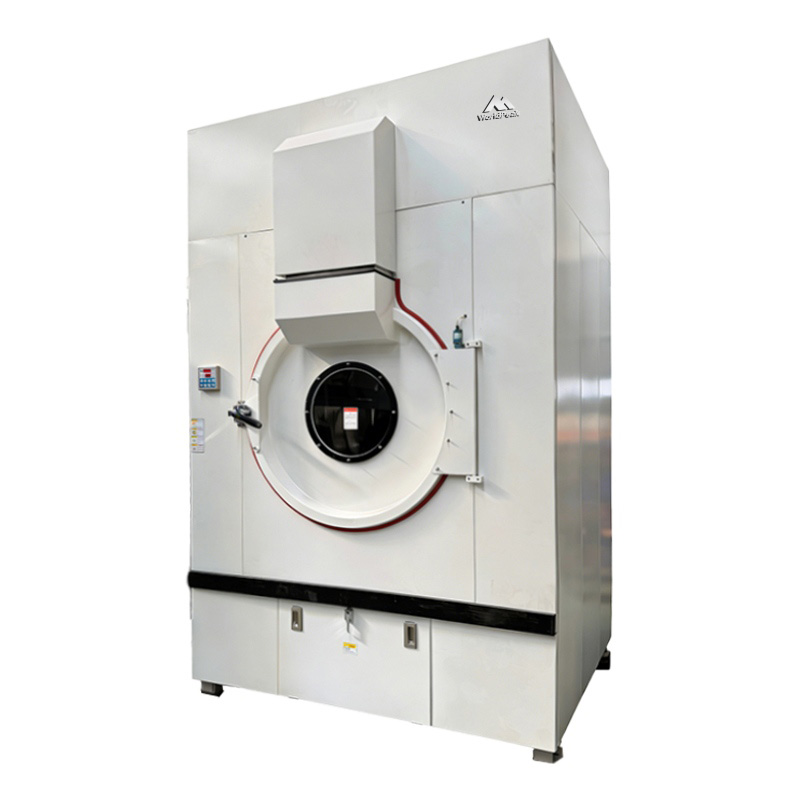
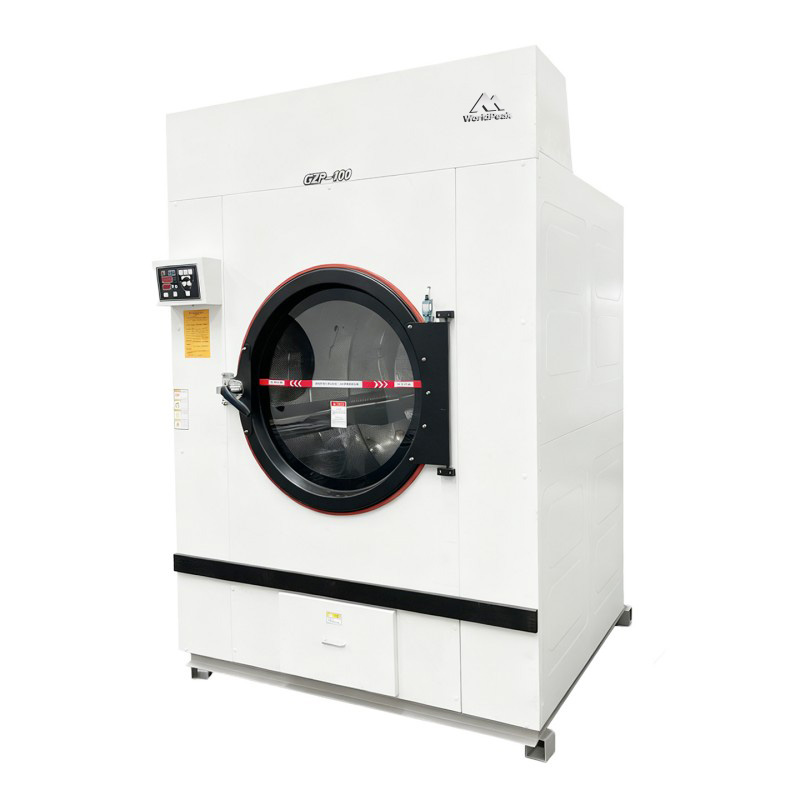
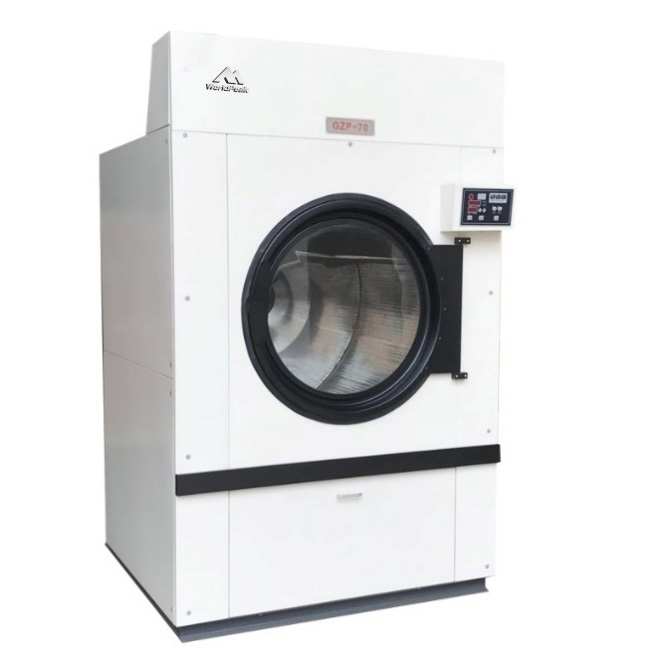
- Industrial Tumble Dryers
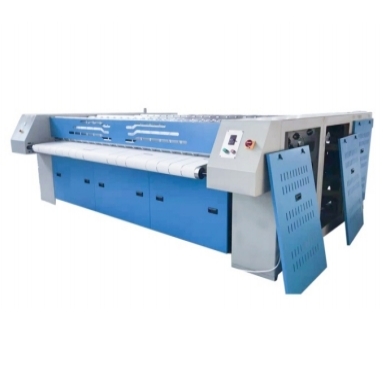
- Flatwork Ironing and Folding Equipment
- Essential Auxiliary Laundry Equipment
- Small Laundry Plant Equipment Configuration
- Medium-Sized Laundry Plant Equipment Configuration
- Large Commercial Laundry Plant Equipment
- How to Choose Laundry Plant Equipment
- Frequently Asked Questions
What Equipment Does a Commercial Laundry Plant Need?
A complete commercial laundry plant normally requires equipment from several different processing stages rather than only washing machines.
The main equipment categories include:
- Industrial washer-extractors
- Industrial tumble dryers
- Flatwork ironers
- Automatic linen feeders
- Automatic folding machines
- Automatic chemical dosing systems
- Steam boilers or steam generators where required
- Water-softening and treatment equipment
- Linen transport carts
- Linen sorting tables
- Wastewater treatment or pretreatment equipment
- Optional dry-cleaning equipment
The correct combination depends on daily laundry volume, textile categories, customer type, operating hours, available floor space, labor costs, utility conditions, and future expansion plans.
Industrial Washer-Extractors: The Core of a Laundry Plant
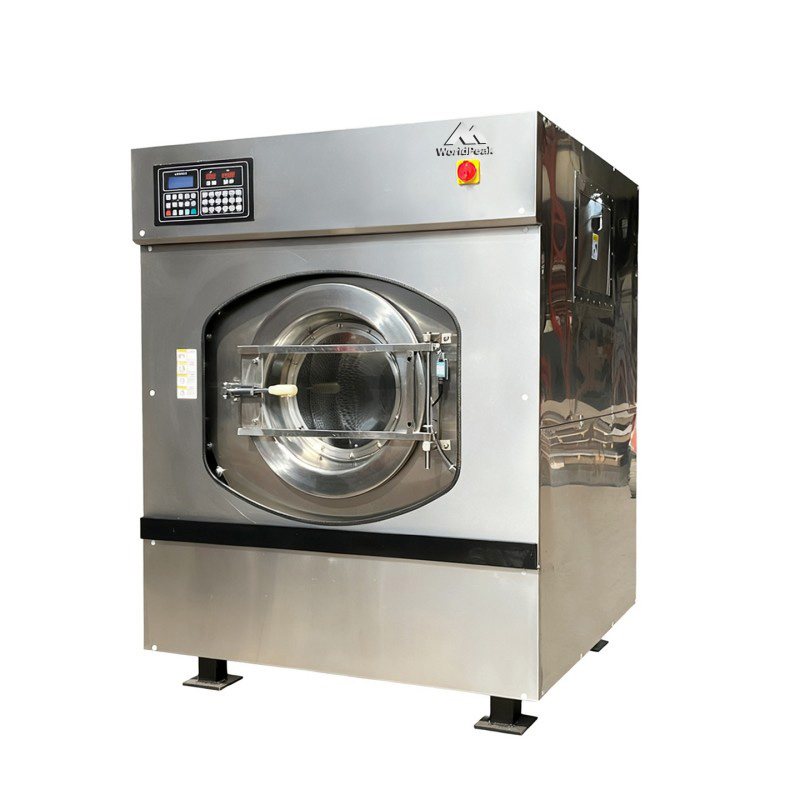
The industrial washer-extractor is the core machine in a commercial laundry plant. It determines much of the facility's washing capacity and combines washing, rinsing, draining, and high-speed extraction in one unit.
Common Washer-Extractor Capacities
Commercial washer-extractors are commonly available in capacities such as:
- 30 kg
- 50 kg
- 70 kg
- 100 kg
- 120 kg and larger
The correct machine size should be selected according to daily dry-linen weight and operating hours rather than simply purchasing the largest model available.
50 kg Washer-Extractors for Small Laundry Plants
A small start-up laundry processing fewer than approximately 500 sets of linen per day may use one or two 50 kg washer-extractors.
These machines are suitable for processing:
- Hotel bed sheets
- Duvet covers
- Towels
- Restaurant tablecloths
- Workwear
- Uniforms
Modern washer-extractors can store multiple washing programs so that water level, washing time, temperature, chemical dosage, and extraction speed can be adjusted according to textile type and soil level.
100 kg Washer-Extractors for Medium-Sized Laundry Plants
A medium-sized commercial laundry processing approximately 800-1,800 sets of linen per day may benefit from multiple 100 kg washer-extractors.
Installing more than one machine provides greater flexibility because different linen categories can be processed simultaneously, and production can continue if one machine is temporarily unavailable for maintenance.
Automatic Chemical Dosing
Industrial washer-extractors can be connected to automatic chemical dosing systems that deliver predetermined amounts of detergent, alkali, bleach, disinfectant, neutralizer, and softener according to the selected washing program.
This helps improve washing consistency and reduces errors associated with manual chemical dosing.
Barrier Washer-Extractors for Medical Laundry
Commercial laundry plants that process healthcare textiles may require barrier washer-extractors when physical separation between contaminated and clean laundry areas is necessary.
Barrier washers use a double-door pass-through design. Soiled textiles are loaded from the contaminated side, while clean textiles are unloaded through a separate door on the clean side after washing.
This arrangement supports a one-way laundry workflow and helps reduce unnecessary crossover between soiled and clean processing areas.
The need for barrier washer-extractors should be determined according to applicable local healthcare hygiene requirements and the type of medical textile being processed.
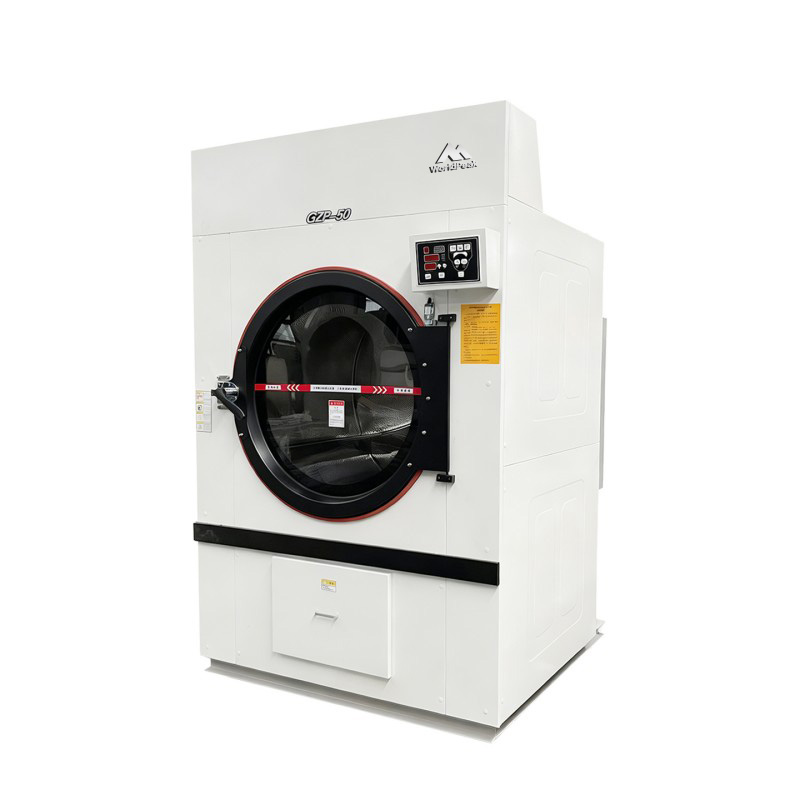
Industrial Tumble Dryers for Commercial Laundry Plants
After high-speed extraction, linen still contains residual moisture. Industrial tumble dryers are therefore essential for connecting the washing stage with ironing, folding, and final finishing.
Matching Dryer Capacity to Washer Capacity
Total dryer capacity should generally be planned to keep pace with the output of the washing section.
If washing capacity significantly exceeds drying capacity, wet linen may accumulate and create a production bottleneck.
50 kg Tumble Dryers
A 50 kg dryer can be suitable for smaller commercial laundries processing towels, bath towels, uniforms, workwear, and moderate quantities of hotel linen.
100 kg and 120 kg Industrial Dryers
Medium-sized and large laundry plants often use 100 kg or 120 kg-class tumble dryers to handle larger batches and continuous daily operation.
Common Heating Methods
Industrial dryers may use:
- Steam heating
- Electric heating
- Gas heating
- Heat-pump systems
Steam-heated models are commonly used in laundries with existing boiler systems, while electric or heat-pump models may be suitable where steam is unavailable.
The most economical choice depends on local energy prices, operating hours, infrastructure, and production volume.
Why Proper Drying Matters
Efficient drying improves linen turnaround, reduces prolonged dampness, and prepares towels, uniforms, and other textiles for subsequent finishing or delivery.
Flatwork Ironing and Folding Equipment
After washing and drying, sheets, duvet covers, pillowcases, tablecloths, and other flat linen normally require ironing and folding before delivery.
This finishing section is particularly important for hotel linen because appearance and consistency affect the perceived quality of the final product.
Single-Roll Flatwork Ironers
Single-roll flatwork ironers are commonly used in small laundry plants with moderate production volumes.
They provide basic drying, ironing, and smoothing functions without requiring the investment of a large automated finishing line.
Multi-Roll Flatwork Ironers
Medium-sized and large laundry plants may use double-roll, three-roll, or four-roll high-speed flatwork ironers.
Multiple rollers provide a larger ironing surface and can increase production capacity when matched properly with available steam pressure and linen-feeding speed.
Automatic Linen Feeders
A linen feeder helps spread and guide bed sheets and duvet covers into the flatwork ironer.
This reduces repetitive manual positioning and can improve the consistency and speed of the ironing section.
Automatic Folding Machines
A fully automatic folding machine can be installed after the flatwork ironer to fold, count, stack, and organize finished linen.
For medium-sized and large laundries, automatic folding can reduce repetitive manual labor and help standardize finished linen dimensions.
Garment and Irregular Textile Finishing
Workwear, uniforms, garments, and other irregularly shaped textiles cannot always be processed through a flatwork ironer.
Additional finishing equipment may include:
- Vacuum ironing tables
- Utility presses
- Garment finishing machines
- Garment tunnel finishers
Essential Auxiliary Equipment for Laundry Plants
A professional commercial laundry plant also depends on multiple auxiliary systems. These are often overlooked by first-time operators but have a significant effect on workflow, equipment reliability, and operating costs.
Steam Boiler or Steam Generator
Steam can be used as a heat source for washer-extractors, tumble dryers, and flatwork ironers.
Laundries planning to use multiple steam-heated machines should calculate total steam demand before selecting the boiler or steam-generation system.
Water Softening and Treatment System
Hard water contains relatively high levels of calcium and magnesium minerals and can contribute to scale formation inside pipes, valves, heating components, and washing equipment.
A water-softening system can reduce hardness and may improve washing consistency, especially in areas with poor incoming water quality.
Linen Transport Carts
Separate transport carts should be used for different stages of linen handling where required.
A logical one-way workflow helps organize movement from:
- Soiled linen receiving
- Sorting
- Washing
- Drying
- Ironing
- Folding
- Clean storage
- Dispatch
Linen Sorting Tables
Sorting tables help operators classify textiles according to customer, fabric type, color, soil level, or washing program before loading.
Automatic Chemical Dosing System
Automatic dosing provides more consistent chemical usage between batches and reduces unnecessary manual handling of laundry chemicals.
Wastewater Treatment
Commercial laundry wastewater can contain detergent, lint, suspended solids, oils, and other contaminants.
Treatment and discharge requirements vary by location, so operators should confirm applicable local environmental regulations when planning the laundry facility.
Optional Dry-Cleaning Equipment
Commercial laundries that also process wool garments, suits, silk textiles, premium uniforms, or other delicate items may add a fully enclosed dry-cleaning machine.
This allows the facility to expand beyond conventional wet washing and serve a broader range of customers.
Small Laundry Plant Equipment Configuration
A small start-up laundry plant serving local guesthouses, restaurants, beauty salons, or small hotels should generally focus on a streamlined equipment package.
Typical Small Laundry Setup
- 1 × 50 kg washer-extractor
- 1 × 50 kg tumble dryer
- 1 × single-roll flatwork ironer
- Small steam generator or suitable heating system
- Linen transport carts
- Sorting table
- Basic chemical dosing system
This configuration helps control initial investment while providing the basic washing, drying, and finishing functions required for commercial linen processing.
As order volume increases, additional washers, dryers, or folding equipment can be added gradually.
Medium-Sized Laundry Plant Equipment Configuration
A medium-sized laundry serving chain hotels, restaurants, institutions, or regional linen customers requires greater washing and finishing capacity.
Typical Medium-Sized Laundry Setup
- 2 or more × 100 kg washer-extractors
- Multiple high-capacity tumble dryers
- Automatic chemical dosing system
- Automatic linen feeder
- Multi-roll flatwork ironer
- Automatic folding machine
- Water-softening equipment
- Steam boiler or centralized heating system
- Wastewater management system
- Linen handling and storage equipment
A properly matched system can process more than 1,000 sets of linen per day depending on textile weight, equipment cycle time, operating hours, and machine quantities.
Large Commercial Laundry Plant Equipment
Large commercial laundries serving hotel groups, hospitals, resorts, and regional customers need a higher level of automation and production-line integration.
Typical Large Laundry Plant Configuration
- Multiple 100 kg or larger washer-extractors
- Barrier washer-extractors where required
- Multiple high-capacity dryers
- Automatic loading and conveying systems
- Automatic linen feeders
- Multi-roll high-speed flatwork ironers
- Multiple folding lines
- Towel folding machines
- Automatic chemical dosing
- Water treatment systems
- Large steam-generation systems
- Optional dry-cleaning machines
When to Consider a Tunnel Washer
For very large laundries with stable and predictable linen volumes, a continuous batch washer or tunnel washer system may be considered.
Tunnel washers are designed for continuous high-volume processing and can be connected with automatic loading systems, press extractors, shuttle conveyors, dryers, and finishing lines.
How to Choose the Right Laundry Plant Equipment
1. Calculate Daily Processing Volume
Estimate the total dry weight or quantity of linen processed every day. Peak-season demand should also be considered.
2. Identify Customer Types
Hotels, restaurants, hospitals, factories, and institutions process different textile categories and may require different washing and finishing procedures.
3. Determine Operating Hours
A laundry operating one shift per day requires a different equipment configuration from a plant operating two or three shifts.
4. Match Washer and Dryer Capacity
Avoid installing high-capacity washers without sufficient drying capacity. Each section should be balanced to prevent bottlenecks.
5. Match Ironing and Folding Capacity
Large washing capacity should be supported by a finishing line capable of processing the same volume of flat linen.
6. Evaluate Utility Conditions
Before purchasing equipment, confirm:
- Electrical supply
- Water supply
- Drainage
- Steam availability
- Gas supply where applicable
- Ventilation
- Compressed air where required
7. Consider Labor Costs
Automatic feeders, folding machines, chemical dosing, and conveyors become increasingly valuable as daily processing volume and labor costs increase.
8. Reserve Capacity for Future Expansion
A new laundry plant should avoid excessive equipment investment at the beginning, but sufficient floor space, utility capacity, and workflow flexibility should be reserved for future expansion.
9. Evaluate After-Sales Service
Commercial laundry equipment operates frequently and is closely connected to customer delivery schedules. Buyers should therefore consider warranty coverage, spare-parts availability, technical support, installation, commissioning, and maintenance service.
Frequently Asked Questions About Commercial Laundry Plant Equipment
What equipment is needed to start a laundry plant?
A basic commercial laundry plant normally requires industrial washer-extractors, tumble dryers, flatwork ironing equipment, linen carts, sorting tables, and suitable water, drainage, and heating systems. Larger plants may also require automatic feeders, folding machines, chemical dosing, water treatment, and conveying systems.
What size washer-extractor is suitable for a small laundry plant?
A 50 kg washer-extractor is commonly suitable for smaller commercial laundries with moderate daily linen volumes. The correct capacity should be calculated according to actual daily dry-linen weight and operating hours.
Is a 100 kg washer-extractor suitable for a commercial laundry?
Yes. 100 kg washer-extractors are commonly used in medium-sized and large commercial laundry plants processing high volumes of hotel linen, towels, tablecloths, uniforms, and other textiles.
How many washer-extractors does a laundry plant need?
The number depends on daily laundry volume, machine capacity, operating hours, textile separation requirements, and desired backup capacity. Larger plants often use multiple machines for greater operational flexibility.
Should washer and dryer capacities be the same?
They do not have to be exactly identical, but total drying capacity should be sufficient to keep pace with washing output. Dryer sizing depends on residual moisture, textile type, cycle time, and heating method.
Does a small laundry plant need an automatic folding machine?
Not necessarily. Small facilities with limited flatwork volume can fold linen manually. Automatic folding becomes more useful as production volume and labor costs increase.
When does a laundry plant need a barrier washer-extractor?
Barrier washer-extractors may be required where contaminated and clean textile processing areas need to be physically separated, particularly in some healthcare laundry applications. Applicable local regulations should be confirmed.
Does a laundry plant need a boiler?
A boiler or steam generator is necessary if the selected washers, dryers, or ironers use steam heating. Smaller facilities may instead use electric, gas, or other heating methods depending on site conditions.
What auxiliary equipment is important in a commercial laundry?
Important auxiliary equipment includes chemical dosing systems, water softeners, sorting tables, linen carts, steam systems, ventilation, storage equipment, and wastewater management systems.
When should a laundry plant consider a tunnel washer?
Tunnel washer systems are generally suitable for large centralized laundries with stable, high-volume production. Smaller operations usually benefit from the flexibility and lower initial investment of individual washer-extractors.
Conclusion
The most important principle when planning commercial laundry plant equipment is to match the system to actual order volume rather than simply purchasing the cheapest machines or the largest available production line.
A small start-up laundry can begin with a 50 kg washer-extractor, matching tumble dryer, and basic flatwork ironer. Medium-sized laundries serving hotels and institutional customers may require multiple 100 kg washer-extractors, high-capacity dryers, automatic feeders, multi-roll ironers, and folding machines. Large regional laundry plants can further add barrier washing systems, multiple finishing lines, tunnel washers, automated conveying, and dry-cleaning equipment.
The washing, drying, ironing, folding, chemical dosing, water treatment, and linen-handling sections should be planned as one integrated production process. By balancing production capacity, labor requirements, operating costs, site conditions, and future expansion, laundry operators can build a more efficient, scalable, and reliable linen-processing system.