
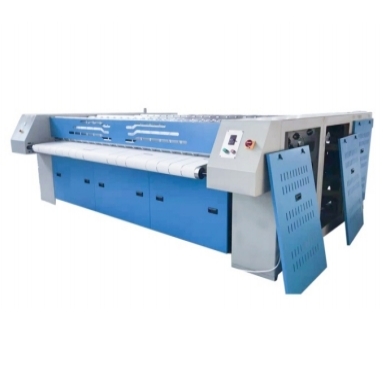
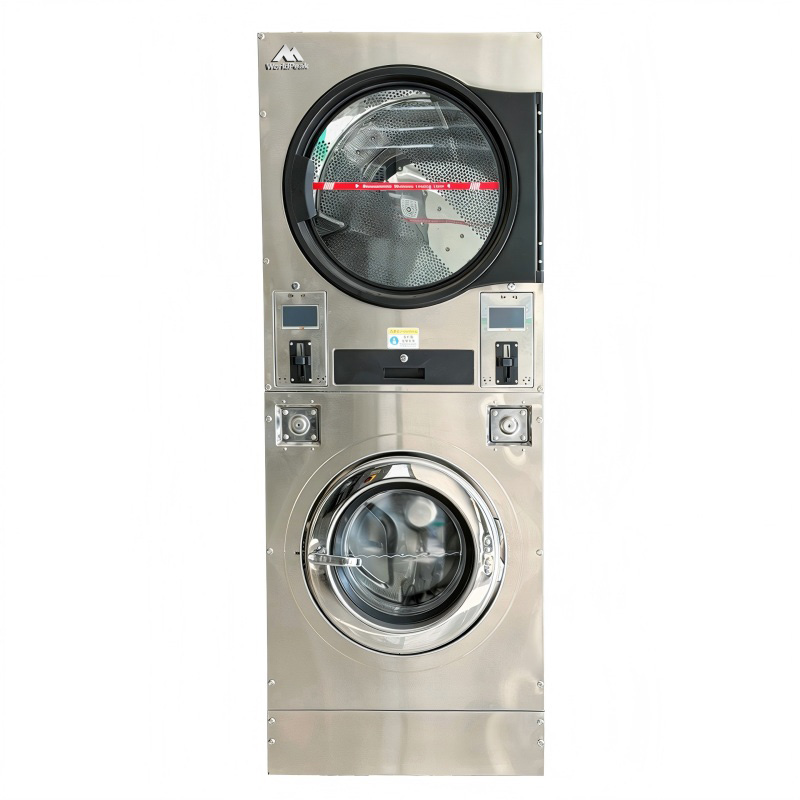
With the continued growth in linen demand from hotels, hospitals, guesthouses, and other sectors, professional commercial laundries have become an essential supporting industry. For many entrepreneurs preparing to establish a laundry plant, one of the biggest concerns is the procurement cost of large-scale laundry equipment. Prices for large industrial laundry equipment vary widely, ranging from several hundred thousand RMB to more than RMB 1 million. The total cost is not determined by the price of a single machine, but by equipment capacity, automation level, auxiliary equipment, and the intended operating scale of the laundry plant.
In commercial laundries, large-scale laundry equipment generally refers to a system built around 100 kg or larger washer-extractors, combined with high-capacity tumble dryers, multi-roll flatwork ironers, automatic folding systems, steam boilers, water treatment equipment, and other auxiliary facilities. Only a complete production line can meet the daily processing requirements of large-scale laundry operations. Based on the operating scale of the laundry plant, mainstream equipment configurations can generally be divided into three levels, making it easier to understand the corresponding investment requirements.
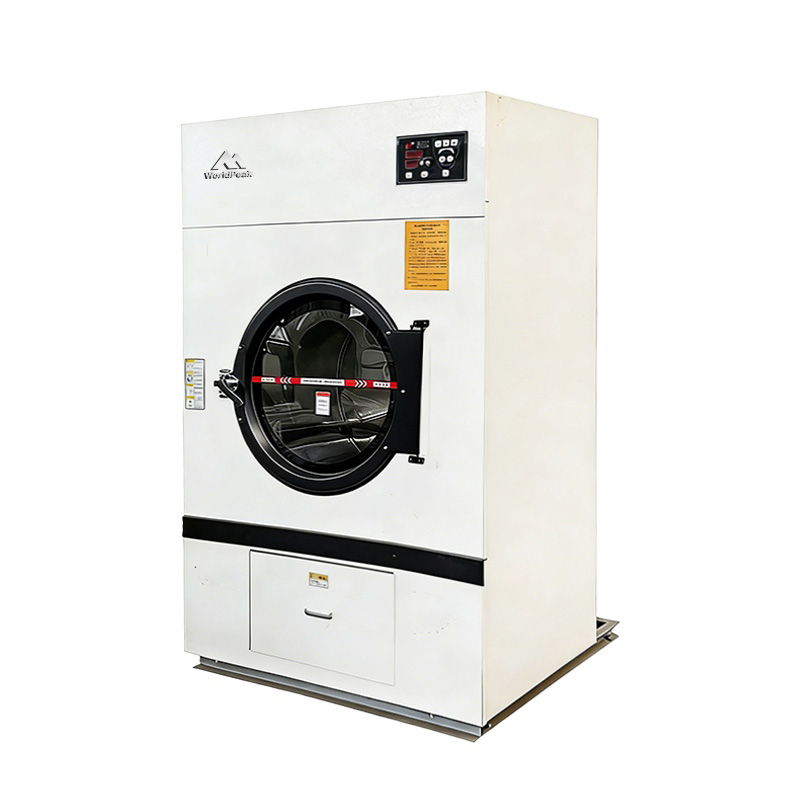
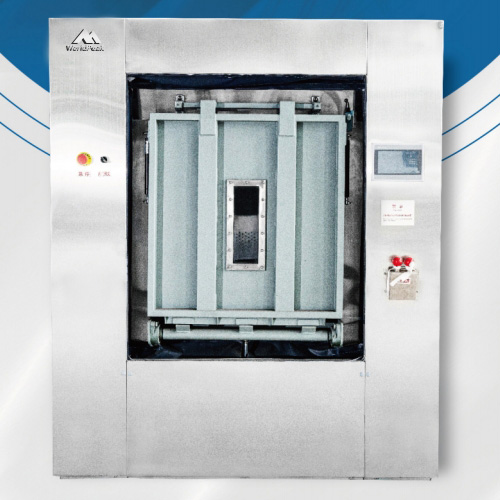
The first category is a conventional large commercial laundry plant with a daily linen processing volume of approximately 1,000 to 3,000 sets. These facilities mainly serve local hotel chains, small healthcare and elderly care institutions, and similar customers, and represent one of the most common laundry plant configurations on the market. A typical system includes 3 to 4 fully automatic 100 kg variable-frequency washer-extractors, 3 matching energy-efficient tumble dryers, two four-roll high-speed flatwork ironers, dual-channel sheet and towel folders, automatic feeding equipment, a 1-ton steam boiler, and a basic wastewater treatment system. The total price of a complete set of new equipment generally ranges from RMB 500,000 to RMB 700,000. If the laundry plant plans to process hospital textiles, double-door barrier washer-extractors must also be installed to meet requirements for separation between soiled and clean areas and high-temperature disinfection. This usually adds around RMB 100,000 to the investment, bringing the total budget to approximately RMB 650,000 to RMB 800,000.
The second category is a very large central laundry plant processing more than 3,000 sets of linen per day and serving multiple hospitals, hotel chains, resorts, and tourism facilities across a city. These plants typically occupy more than 1,000 square meters and require continuous, uninterrupted operation. Instead of relying only on individual washer-extractors, they are usually equipped with fully automated tunnel washer systems, together with multiple high-capacity dryers, finishing equipment, sorting systems, and conveyor systems. The price of a complete integrated production line generally ranges from RMB 1.3 million to RMB 2 million. The main advantage of a tunnel washer system is its high level of automation and significant reduction in labor requirements. However, the initial investment is relatively high, making it suitable only for operators with stable order volumes and long-term large-scale production needs. Small commercial laundries generally do not need to invest in such systems.
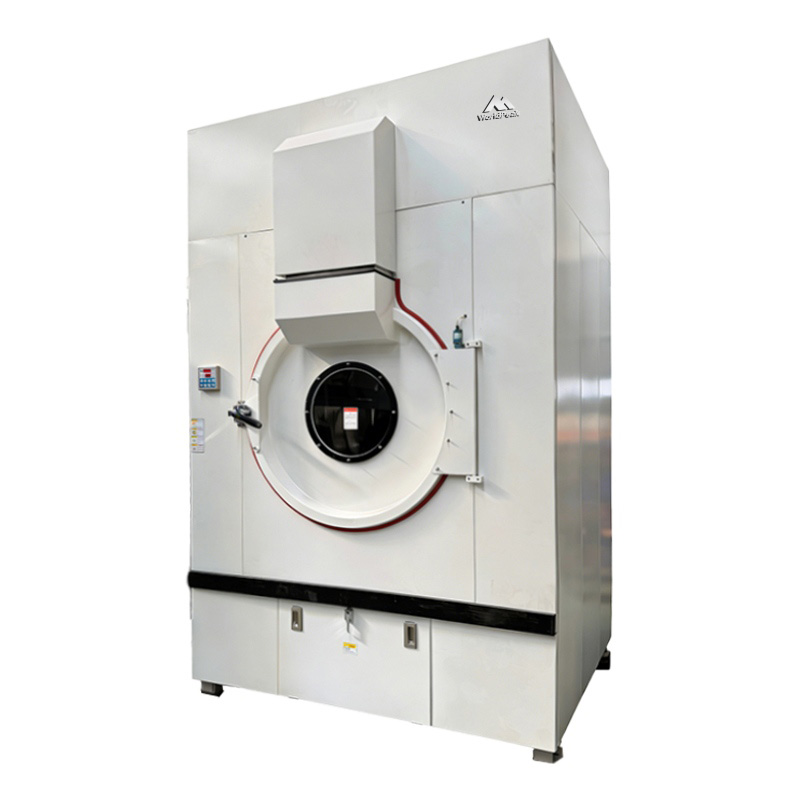
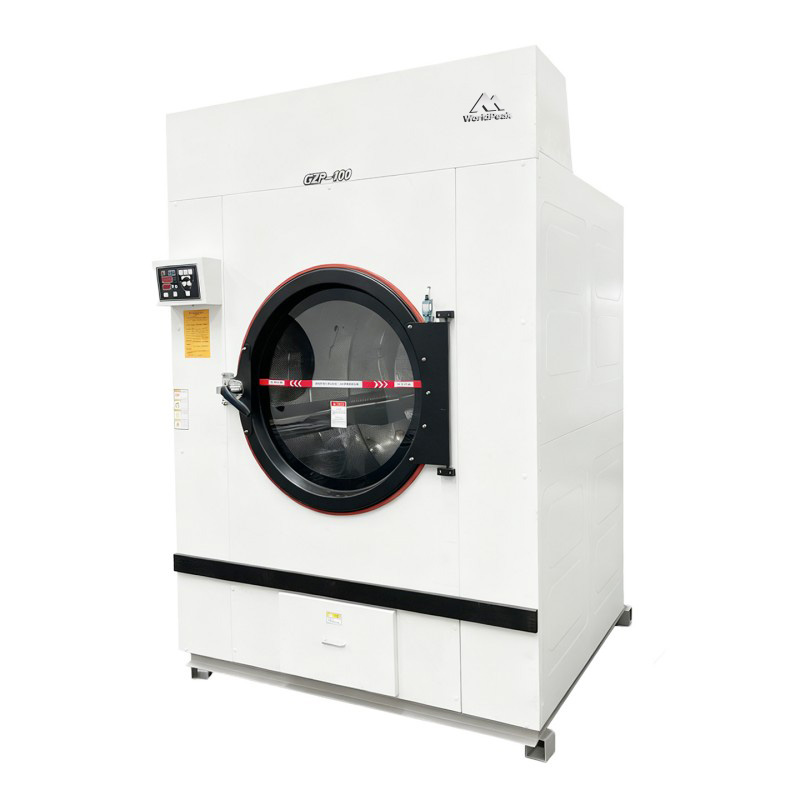
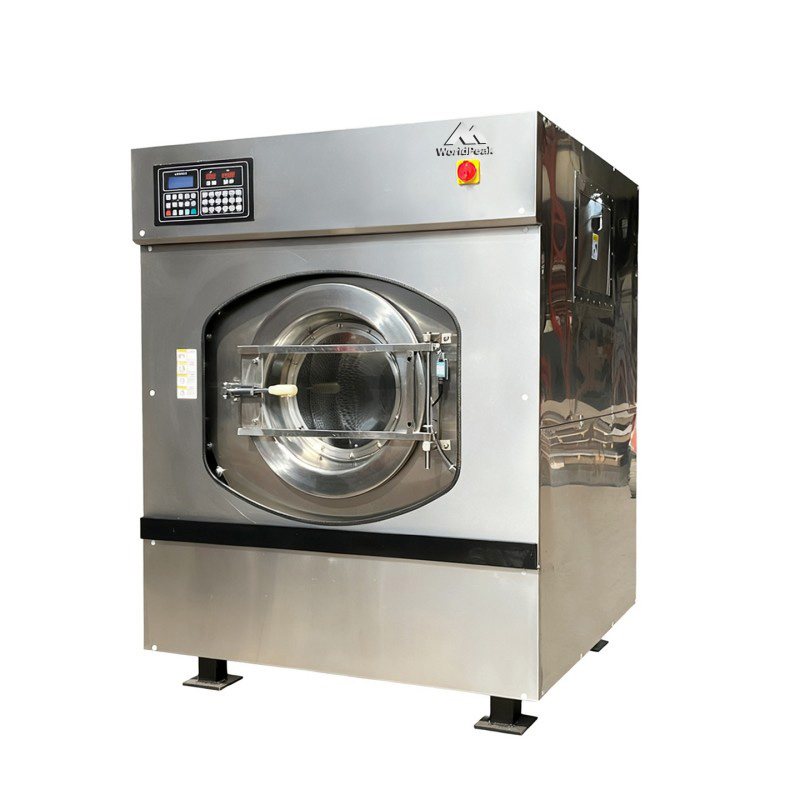
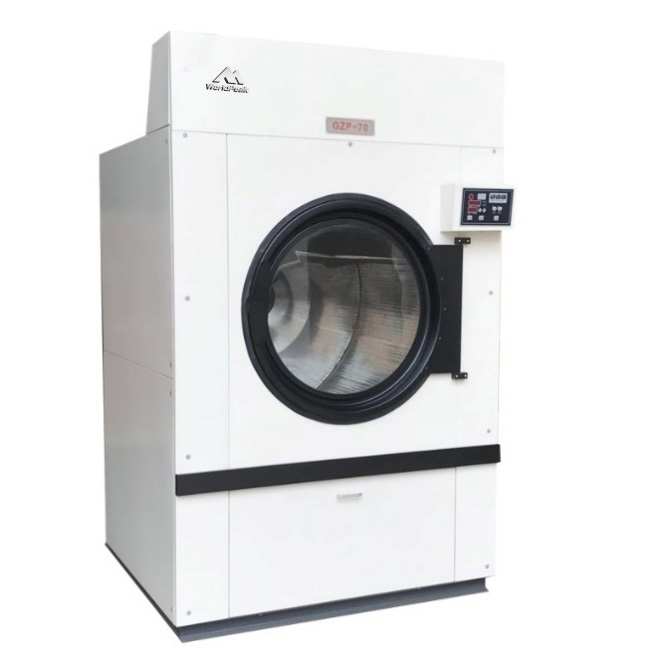
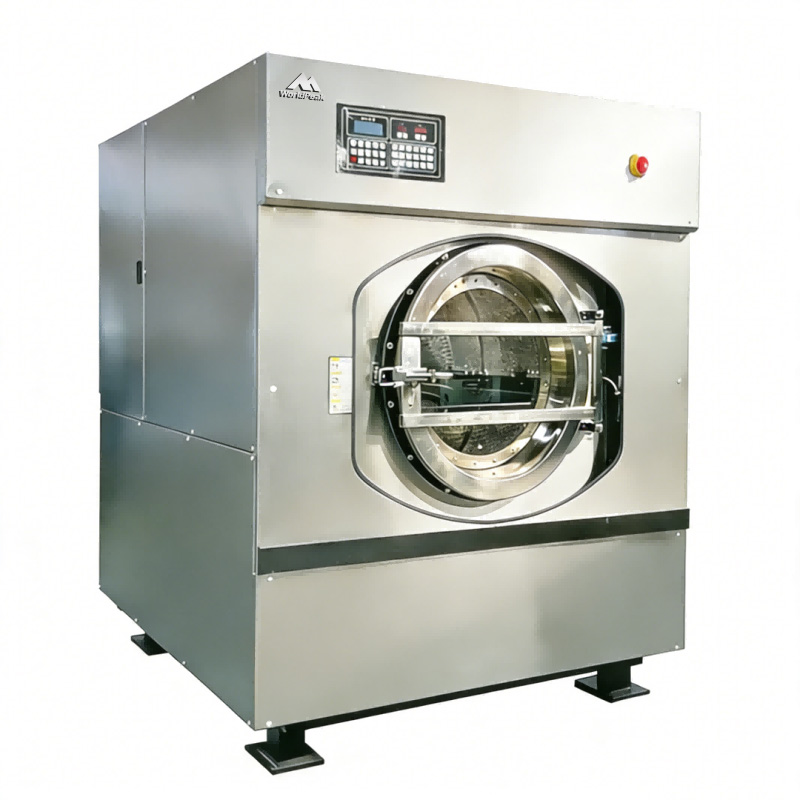
In addition to the total price of a complete production line, individual large-scale machines also have relatively clear market reference prices. As the core machine, a standard 100 kg washer-extractor with a fixed-frequency motor and electric heating generally costs RMB 45,000 to RMB 55,000, while a variable-frequency steam-heated energy-saving model costs approximately RMB 58,000 to RMB 75,000. For extra-large 150 kg or 200 kg washer-extractors, the unit price can rise directly to RMB 110,000 to RMB 220,000. Matching tumble dryers are generally selected according to the capacity of the washer-extractors. A 100 kg steam-heated heat-recovery tumble dryer typically costs RMB 55,000 to RMB 75,000 and can offer around 40% higher drying efficiency than an electric-heated model, making it more energy-efficient for long-term high-volume laundry operations. Price differences are particularly significant in the finishing section. Basic double-roll flatwork ironers can cost more than RMB 100,000, while four-roll high-speed fully automatic flatwork ironers may cost RMB 150,000 or more. Automatic folding systems generally start from around RMB 60,000 per unit. The higher the level of automation, the higher the equipment price.
Many buyers wonder why machines with the same rated capacity can differ in price by tens of thousands of RMB. There are four main reasons. The first is machine construction and materials. Low-cost equipment may use thinner stainless steel for the drum and cabinet, which is more likely to corrode or deform after long-term exposure to water and chemicals. Commercial machines made with thickened 304 stainless steel offer a longer service life, but the price difference per machine can reach RMB 10,000 to RMB 30,000. The second factor is motor type. Fixed-frequency machines are less expensive to purchase, but usually generate more vibration and consume more energy. Variable-frequency models may cost RMB 5,000 to RMB 12,000 more, but are better suited for continuous all-day operation and can significantly reduce long-term water and electricity consumption. The third factor is the heating method. Electric-heated machines require lower initial investment, while steam-heated machines may cost RMB 10,000 to RMB 20,000 more. However, for high-volume laundry operations, steam heating can reduce annual energy expenses by tens of thousands of RMB. The fourth factor is the purchasing method. Purchasing a complete production line from one supplier may qualify for a manufacturer discount of 5% to 15%, while purchasing individual machines separately usually provides little or no discount and may also require additional installation charges.
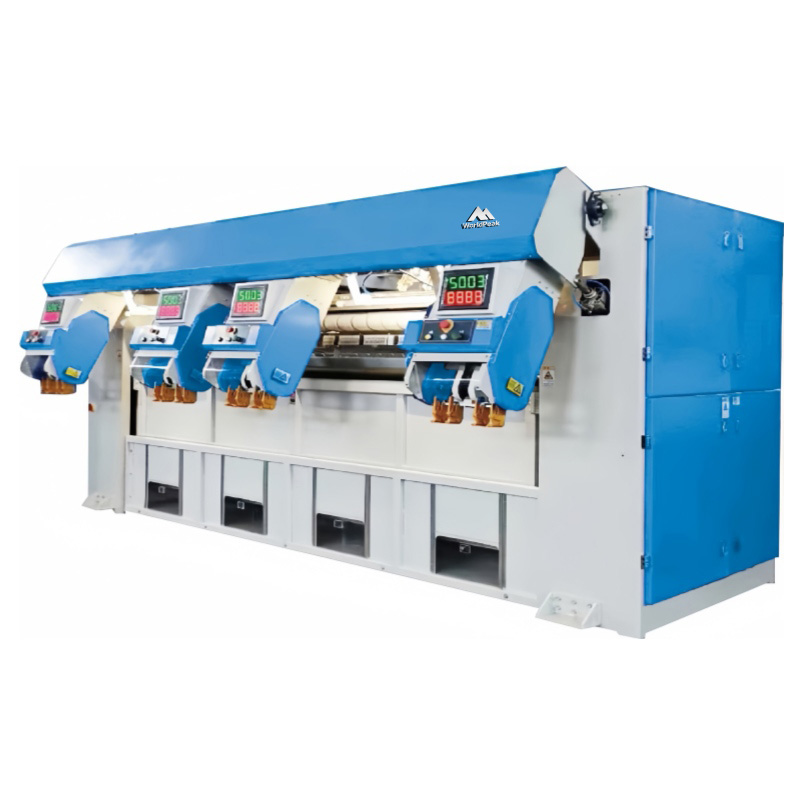
Many entrepreneurs with limited budgets consider purchasing used large-scale laundry equipment. Used equipment may cost only 30% to 70% of the price of new machines, but the hidden costs should not be overlooked. Older machines generally have a higher failure rate, and breakdowns during peak operating periods can directly result in lost customer orders. Over time, the cost of replacement parts and repair labor may exceed the amount initially saved on equipment purchase. In addition, most used machines do not come with a complete warranty. Therefore, they are generally not recommended as the main production equipment for commercial laundries planning long-term operations.
When preparing an investment budget, operators should not calculate only the cost of the main laundry machines, as the cost of supporting equipment is often overlooked. Steam boilers, linen transport carts, wastewater treatment systems, and automatic chemical dosing systems are all essential facilities. In particular, environmental wastewater treatment equipment is a mandatory requirement for compliant commercial laundry operations. Omitting this investment may result in suspension of operations and mandatory corrective measures. Funds should also be reserved in advance for floor waterproofing, water supply and drainage systems, electrical systems, and utility infrastructure modifications to avoid additional unexpected costs later.
Overall, commercial laundries should not focus solely on the lowest price when purchasing large-scale laundry equipment. For a conventional laundry plant processing 1,000 to 3,000 sets of linen per day, a complete production line costing RMB 500,000 to RMB 700,000 generally offers a good balance between investment and performance. Facilities with sufficient order volume and hospital laundry requirements should consider a budget of approximately RMB 650,000 to RMB 800,000. Central laundry plants serving an entire city can then consider million-RMB-level tunnel washer systems. Matching equipment capacity and automation level to actual order volume, facility conditions, and long-term operating plans is essential for balancing initial investment with ongoing operating costs and avoiding unnecessary capital expenditure.