
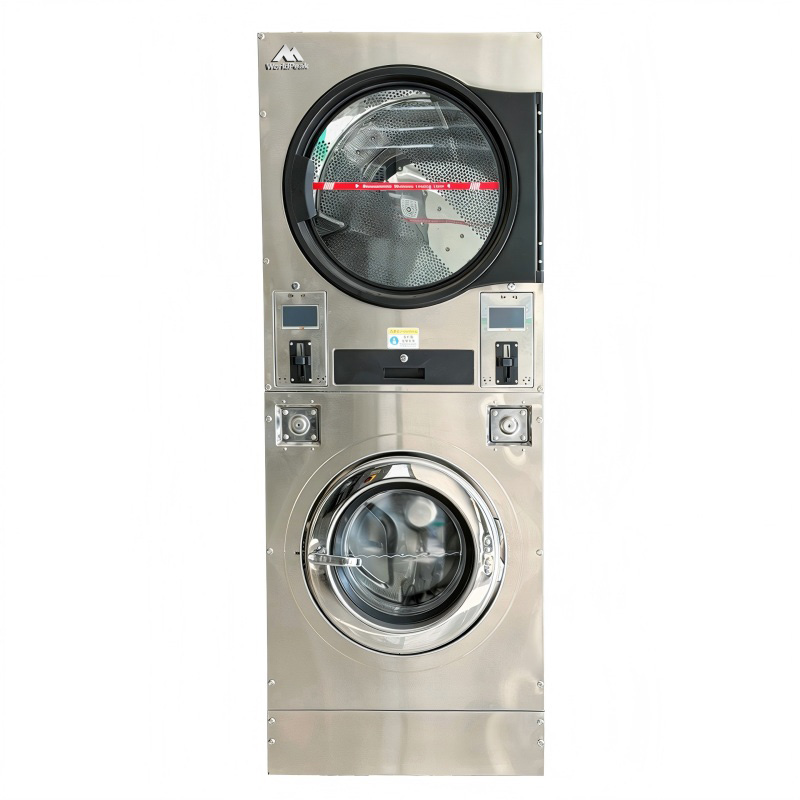
The efficiency of linen washing in hotels, hospitals, nursing facilities, and commercial laundry plants directly affects labor costs, energy consumption, linen turnover, and overall service quality. A properly configured fully automatic laundry equipment system can connect washing, drying, ironing, and folding into a more standardized production process while reducing unnecessary manual handling. However, many newly built laundry rooms are unfamiliar with equipment capacity matching and often purchase machines independently, which can create production bottlenecks. This guide explains the four core laundry machines, standard equipment configurations for different industries, essential auxiliary equipment, and key points to consider when planning a commercial laundry system.
- Four Core Types of Fully Automatic Laundry Equipment
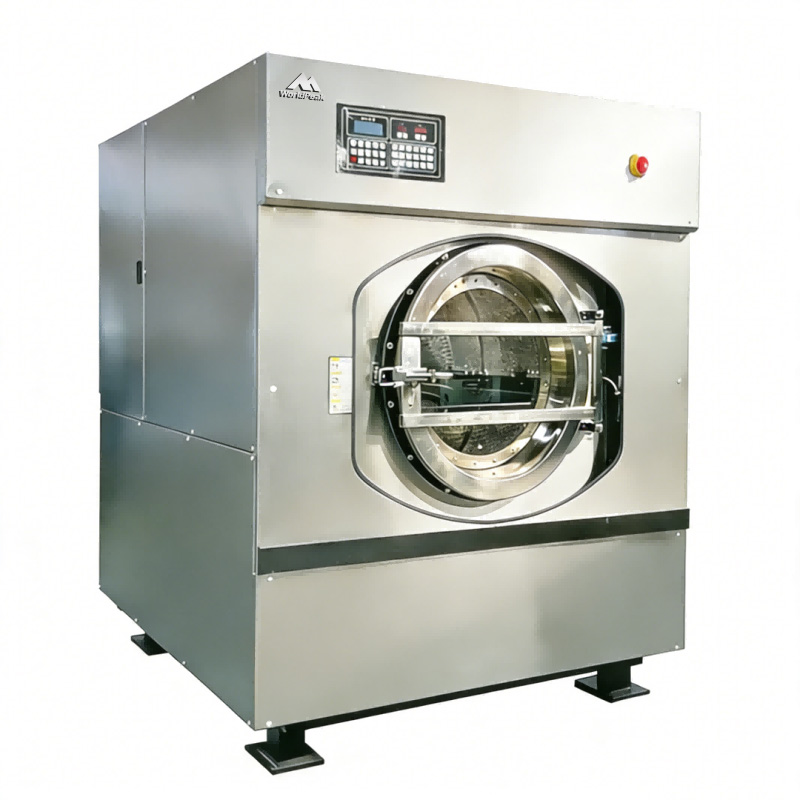
- Industrial Washer-Extractor
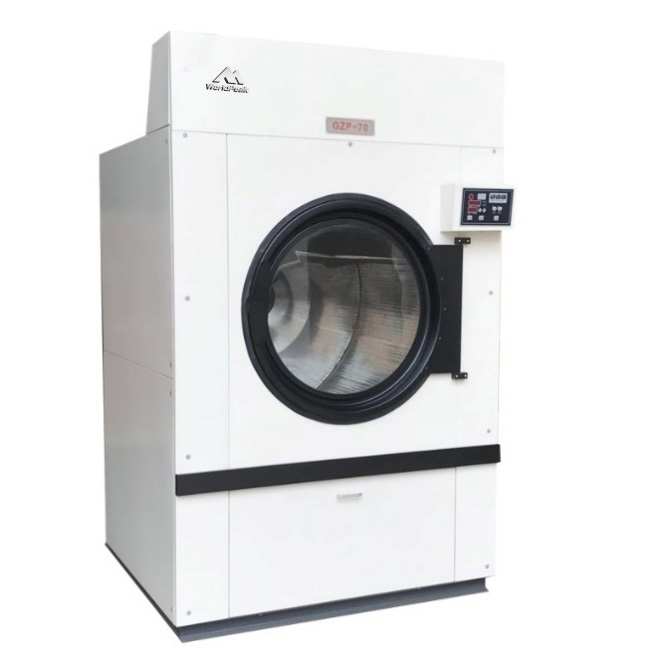
- Industrial Tumble Dryer
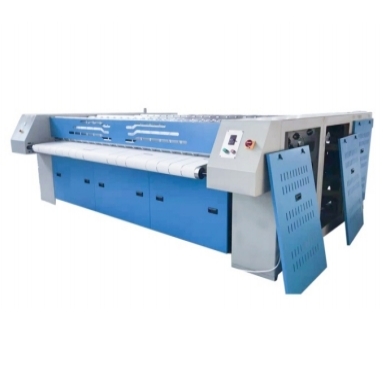
- Flatwork Ironer
- Automatic Linen Folding Machine
- Laundry Equipment Configurations by Industry
- Essential Auxiliary Laundry Equipment
- How to Avoid Common Equipment Purchasing Mistakes
- How to Choose a Complete Laundry Equipment System
- Frequently Asked Questions
Four Core Types of Fully Automatic Laundry Equipment
A complete commercial laundry production line is generally built around four major equipment categories: industrial washer-extractors, tumble dryers, flatwork ironers, and automatic linen folding machines.
These machines should not be selected independently. Their capacities and processing speeds need to be reasonably matched so that linen can move smoothly from washing to drying, ironing, and folding without creating unnecessary waiting time.
1. Fully Automatic Industrial Washer-Extractor
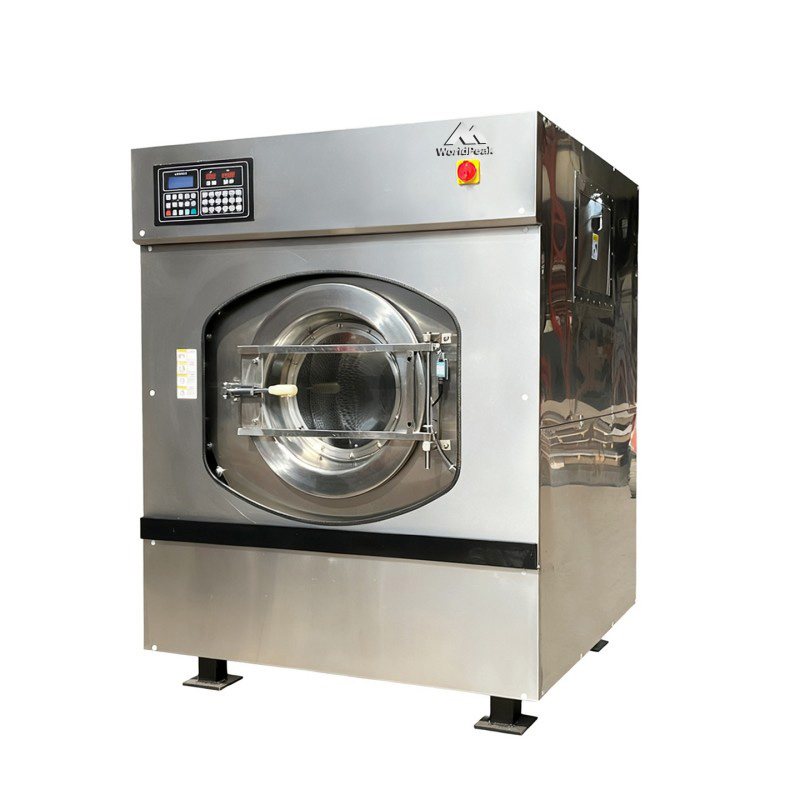
The industrial washer-extractor is the core washing machine in a professional laundry room. It combines washing, rinsing, draining, and high-speed extraction in one unit, reducing manual transfer and eliminating the need for a separate hydro-extractor.
Common Washer-Extractor Capacities
- 20-30 kg: suitable for small hotels, guesthouses, schools, spas, and institutional laundries
- 50-70 kg: suitable for medium-sized hotels and commercial laundry facilities
- 100 kg and above: suitable for large hotels, centralized laundries, and high-volume linen plants
For extremely large and stable processing volumes, a tunnel washer or continuous batch washer may also be considered instead of relying entirely on individual washer-extractors.
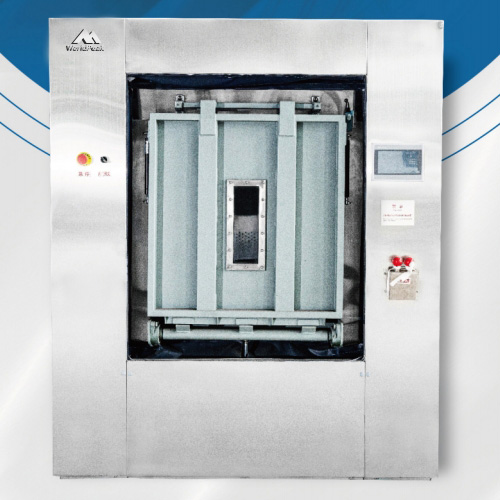
Standard vs. Barrier Washer-Extractors
Standard suspended washer-extractors are commonly used for hotel linen, restaurant textiles, uniforms, and general commercial laundry.
Healthcare facilities may require medical barrier washer-extractors. These machines use separate loading and unloading doors to support physical separation between soiled and clean laundry areas.
Programmable Washing Functions
Modern industrial washer-extractors can provide programmable settings for:
- Water temperature
- Water level
- Washing time
- Drum speed
- Rinse cycles
- Chemical dosing
- Extraction speed
Different programs can be created for bed sheets, towels, duvet covers, tablecloths, uniforms, workwear, and other commercial textiles.
Many industrial models use stainless steel in the drum and other wet-contact components to improve corrosion resistance and durability.
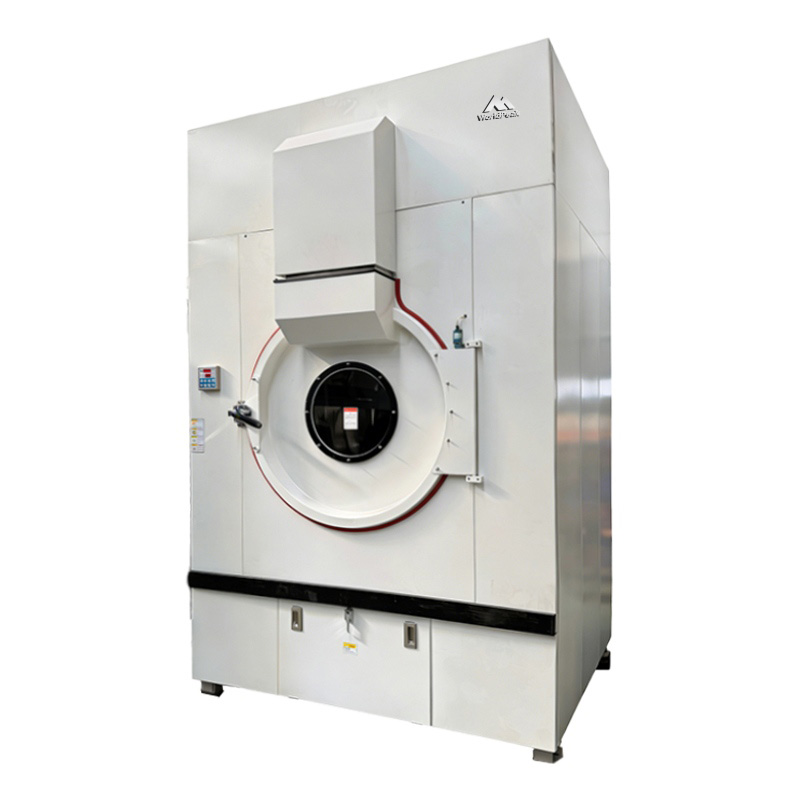
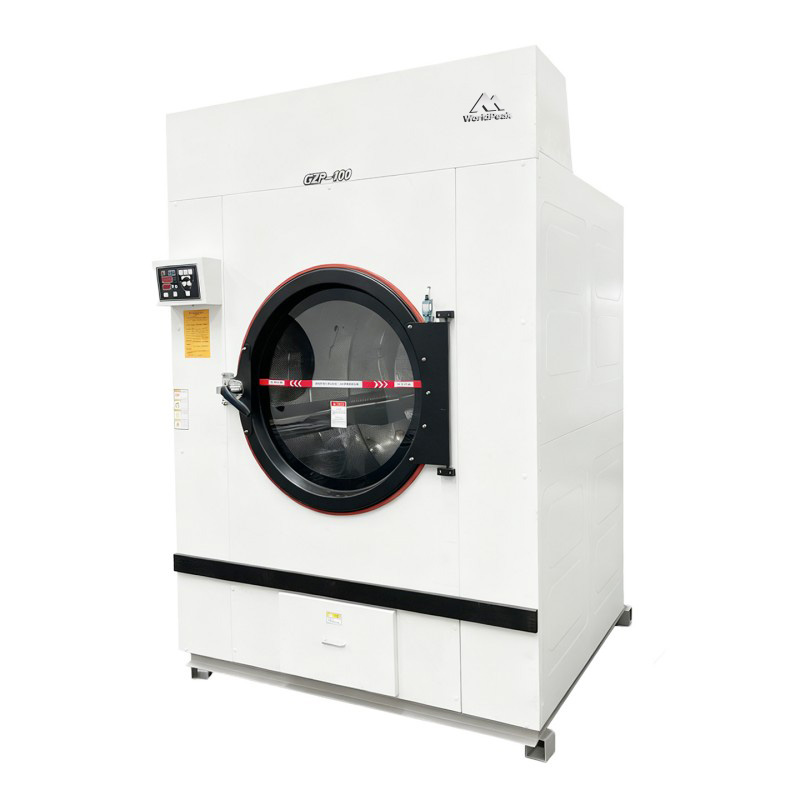
2. Industrial Tumble Dryer
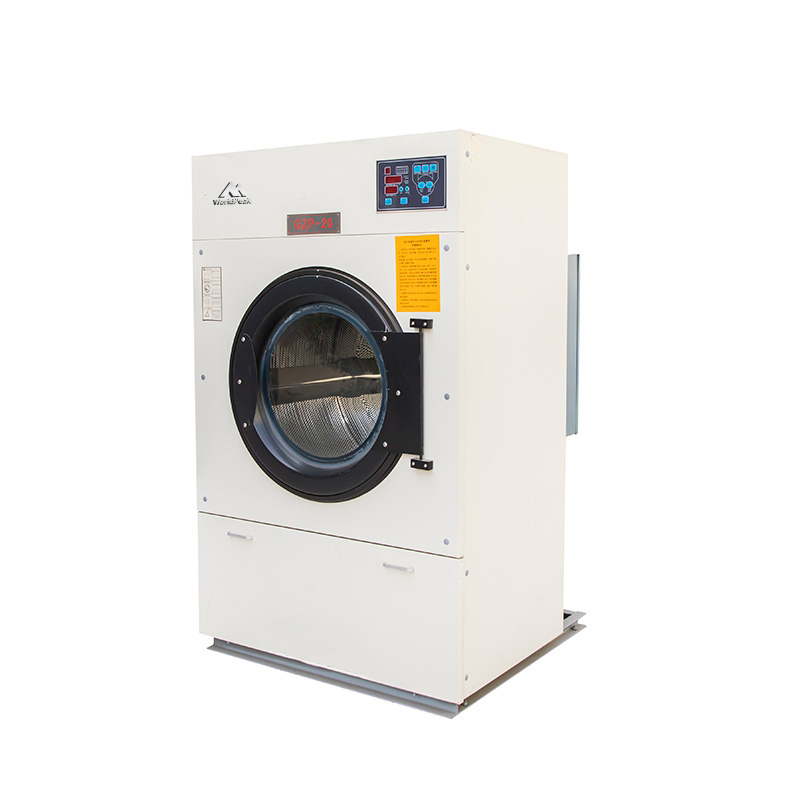
An industrial tumble dryer processes linen after washing and extraction. Even after high-speed extraction, textiles still contain residual moisture and may require further drying before ironing, folding, or reuse.
How to Match Dryer Capacity
Dryer capacity should be selected according to washer output, textile type, residual moisture, and drying cycle time.
If the washer capacity is significantly higher than the available drying capacity, wet linen may accumulate between production stages and reduce overall efficiency.
Common Heating Options
Commercial tumble dryers may use:
- Electric heating
- Steam heating
- Gas heating
- Heat-pump systems
Steam-heated dryers are often used in facilities that already have centralized steam infrastructure, while electric or other systems may be more practical where steam is unavailable.
Drum Design and Linen Care
Commercial dryers often use stainless steel drums and forward/reverse rotation to help improve tumbling uniformity and reduce linen tangling.
Temperature and drying time should be adjusted according to textile type to avoid unnecessary thermal stress while achieving the required residual moisture level.
3. High-Speed Flatwork Ironer
A flatwork ironer is mainly used for flat linen such as bed sheets, duvet covers, pillowcases, tablecloths, and napkins.
It continuously presses and smooths textiles using heated rollers, making it much more suitable for commercial-scale production than manual ironing.
Single-Roll Flatwork Ironer
Single-roll models are generally suitable for small hotels and laundries with moderate linen volumes and relatively limited finishing requirements.
Double-Roll and Multi-Roll Ironers
Medium-sized and large hotels or laundry plants can use double-roll or four-roll high-speed flatwork ironers to increase processing capacity.
Larger roller diameter, more heating surface, and appropriate operating speed can improve throughput when matched correctly with the linen feeder and folding section.
Variable-Frequency Speed Control
Variable-frequency speed adjustment allows the ironing speed to be adapted to textile thickness, moisture content, and required finishing quality.
4. Fully Automatic Linen Folding Machine
A fully automatic linen folding machine is generally installed after the flatwork ironer and is used to fold, count, stack, and organize processed linen.
Common Folding Applications
- Bed sheets
- Duvet covers
- Pillowcases
- Towels
- Table linen
Different machines are designed for different linen sizes and folding patterns. High-speed folding systems can significantly reduce repetitive manual work in medium-sized and large commercial laundry plants.
Why Folding Equipment Matters
Automatic folding can improve consistency in finished linen size and presentation while simplifying storage, transport, and delivery.
For small facilities with low daily linen volumes, manual folding may still be economical. Automatic folding becomes more valuable as processing volume and labor costs increase.
Three Standard Laundry Equipment Configurations by Industry
1. Small and Medium-Sized Hotels
Hotels with approximately 30-100 guest rooms may use a relatively streamlined commercial laundry system.
A typical configuration may include:
- 30 kg washer-extractor
- 30 kg tumble dryer
- Single-roll flatwork ironer
- Optional bed-sheet folding machine
- Steam generator where required
- Linen transport carts
- Automatic chemical dosing system
The exact configuration should be based on occupancy rate, daily linen weight, operating hours, restaurant or spa services, and required linen turnaround.
2. Hospitals and Senior Care Facilities
Healthcare and elderly care laundry facilities require greater attention to hygiene management and separation between contaminated and clean textiles.
A typical system may include:
- Medical barrier washer-extractor
- Commercial tumble dryer
- Widened double-roll flatwork ironer
- Multi-size folding machine
- Dedicated soiled linen carts
- Dedicated clean linen carts
- Automatic detergent and disinfectant dosing
Equipment, washing programs, disinfection procedures, and laundry-room zoning should follow applicable local healthcare hygiene and infection-control requirements.
3. Medium-Sized Commercial Linen Laundry Plant
A laundry plant processing approximately 800-1,500 sets of linen per day may require a higher-capacity production line.
A typical configuration may include:
- 100 kg washer-extractor
- Large-capacity industrial dryer
- Four-roll high-speed flatwork ironer
- Automatic linen feeder
- Four-lane folding machine
- Automatic chemical dosing
- Steam generation system
- Water treatment equipment
Where order volume is sufficiently large and stable, a tunnel washer or more automated linen-handling system can also be considered.
Essential Auxiliary Laundry Equipment
A complete laundry room requires more than the four core machines. Auxiliary systems are important for ensuring that the production line operates continuously and efficiently.
Linen Spreader Feeder
A linen feeder spreads and positions large sheets and duvet covers before they enter the flatwork ironer. This reduces repetitive manual feeding and supports a more stable finishing speed.
Automatic Chemical Dosing System
Automatic dosing equipment supplies predetermined quantities of detergent, alkali, bleach, disinfectant, softener, and other chemicals according to the selected wash program.
This helps improve washing consistency and reduces errors caused by manual dosing.
Steam Generator or Boiler
Steam may be used as a heat source for washer-extractors, tumble dryers, flatwork ironers, and other laundry equipment.
The decision to use steam should be based on daily production volume, local utility costs, and the existing infrastructure of the facility.
Linen Transport Carts
Transport carts are used to move soiled and clean linen between receiving, sorting, washing, drying, finishing, storage, and dispatch areas.
Separate carts or clearly identified systems should be used where clean and soiled textiles need to be kept apart.
Vacuum Ironing Table
A vacuum ironing table is useful for uniforms, garments, or shaped textile items that cannot be processed effectively through a flatwork ironer.
Water and Wastewater Treatment
Water softening or treatment can help reduce scale buildup and improve washing consistency in hard-water areas.
Wastewater pretreatment and discharge systems should be planned according to applicable local environmental requirements and the scale of the laundry operation.
How to Avoid Common Laundry Equipment Purchasing Mistakes
1. Match Equipment Capacities Across the Entire Line
One of the most common mistakes is purchasing a very large washer without sufficient dryer, ironing, or folding capacity.
A production line should be evaluated as one system. The output of each stage should be able to handle the preceding stage without creating long queues of wet or unfinished linen.
2. Select the Heating Method According to Site Conditions
Facilities with an existing boiler or centralized steam supply may benefit from steam-heated equipment. Where no steam infrastructure exists, electric or other heating methods may be easier to install.
The most economical option depends on local energy costs and operating hours rather than one heating method always being superior.
3. Do Not Use Standard Laundry Equipment Where Barrier Processing Is Required
Healthcare facilities that require physical separation between contaminated and clean areas should select appropriate barrier washing equipment and design the laundry layout accordingly.
4. Compare Complete Equipment Solutions
Buying machines from different suppliers can sometimes result in mismatched capacities, incompatible controls, or additional installation complexity.
When comparing complete solutions, buyers should evaluate equipment compatibility, production capacity, technical service, spare-parts availability, and commissioning support.
5. Avoid Oversizing the Entire System
A small laundry does not automatically need the largest machines or the highest level of automation. Oversized equipment can increase capital investment while remaining underutilized.
6. Avoid Undersizing Equipment
Equipment that is too small may need to operate excessive cycles each day, increasing labor, energy consumption, and maintenance requirements.
How to Choose a Complete Fully Automatic Laundry Equipment System
Calculate Daily Laundry Volume
Estimate the dry weight or quantity of linen processed each day and include peak-demand periods in the calculation.
Identify Main Textile Categories
Hotels mainly process sheets and towels, hospitals process healthcare textiles, and commercial laundries may handle several different customer categories.
Determine Daily Operating Hours
The same production target can sometimes be achieved using smaller machines over longer operating hours or larger machines over fewer cycles. Equipment capacity should therefore be selected together with the planned shift schedule.
Evaluate Available Space
Adequate room is required not only for machinery, but also for:
- Loading and unloading
- Linen carts
- Sorting
- Clean linen storage
- Maintenance access
- Safe staff movement
Check Utilities Before Purchasing
Confirm the available:
- Electrical power
- Water supply
- Drainage capacity
- Steam or gas supply
- Ventilation and exhaust
- Compressed air where required
Consider Labor Costs and Automation
Automatic feeding, folding, chemical dosing, and conveying equipment become more economically attractive as daily production volume and labor costs increase.
Frequently Asked Questions About Fully Automatic Laundry Equipment
What machines are included in a complete automatic laundry system?
The four core machines are usually an industrial washer-extractor, tumble dryer, flatwork ironer, and automatic folding machine. Depending on the application, the system may also include linen feeders, chemical dosing, steam equipment, water treatment, transport carts, and other auxiliary machines.
What size washer-extractor is suitable for a hotel?
Small hotels may use 20-30 kg machines, while medium and large hotels often require 50 kg, 70 kg, or 100 kg units. The correct size depends on daily dry linen weight, occupancy, and operating hours.
Does every laundry need an automatic folding machine?
No. Small laundries with limited daily flatwork volumes may fold manually. Automatic folding becomes more useful in medium-sized and large facilities processing high volumes of sheets, duvet covers, or other flat linen.
Should dryer capacity be the same as washer capacity?
Not necessarily. Dryer sizing depends on residual moisture, textile type, drying cycle time, and the number of machines. The overall goal is to ensure that drying capacity can keep pace with washing output.
Do hospitals need barrier washer-extractors?
Healthcare laundries may require barrier washers where physical separation between contaminated and clean areas is part of the applicable hygiene or infection-control standard. Local requirements should be confirmed during project planning.
When should a laundry plant use a tunnel washer?
Tunnel washers are generally suitable for large centralized laundries with stable, high-volume daily production. Smaller facilities often benefit from the flexibility and lower initial investment of multiple washer-extractors.
Is steam heating better than electric heating?
Neither heating method is universally better. Steam is often practical in larger facilities with existing boilers, while electric heating may be easier to install in smaller laundries. The correct choice depends on utility prices, infrastructure, and operating volume.
How can a laundry production line reduce labor requirements?
Automation can be added at several stages, including chemical dosing, linen feeding, ironing, folding, stacking, and conveying. The greatest labor savings are generally achieved in high-volume facilities where repetitive manual tasks occur continuously.
Conclusion
A complete fully automatic laundry equipment system should be designed as an integrated production line rather than as a collection of individual machines. Washer-extractors handle washing and extraction, tumble dryers control residual moisture, flatwork ironers complete finishing, and automatic folding machines prepare linen for storage and delivery.
Small hotels can use compact versions of these core machines, healthcare facilities may require barrier washing systems, and commercial laundry plants can increase capacity and automation as order volume grows.
The most important principle is to match equipment to daily washing volume, textile type, operating hours, site conditions, utilities, hygiene requirements, and labor costs. A properly balanced system can reduce production bottlenecks, improve linen quality, control long-term operating expenses, and support more stable commercial laundry operations.