If you are planning to open a laundry or dry-cleaning shop, equipment purchasing is usually one of the largest parts of the initial investment. Many entrepreneurs therefore ask the same question during the planning stage: How much does a complete set of laundry equipment cost? In general, laundry businesses can be divided into three common types: small neighborhood laundry shops, standard commercial laundry stores, and high-end flagship garment-care stores. Because each business requires different washing capacities, finishing equipment, and levels of automation, the total commercial laundry equipment cost can range from tens of thousands to several hundred thousand RMB.
How Much Does Equipment for a Small Neighborhood Laundry Shop Cost?
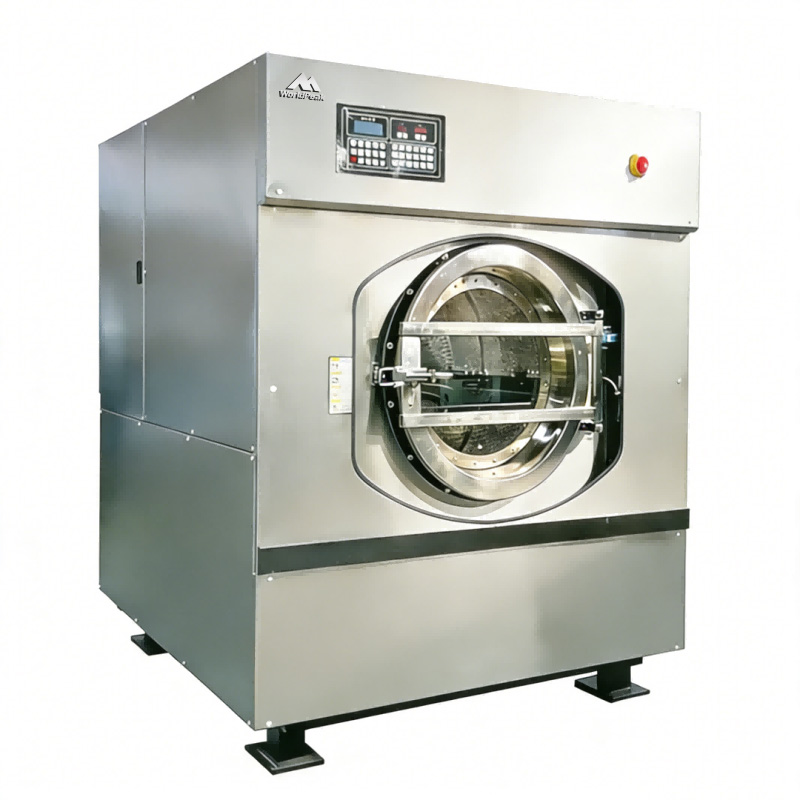
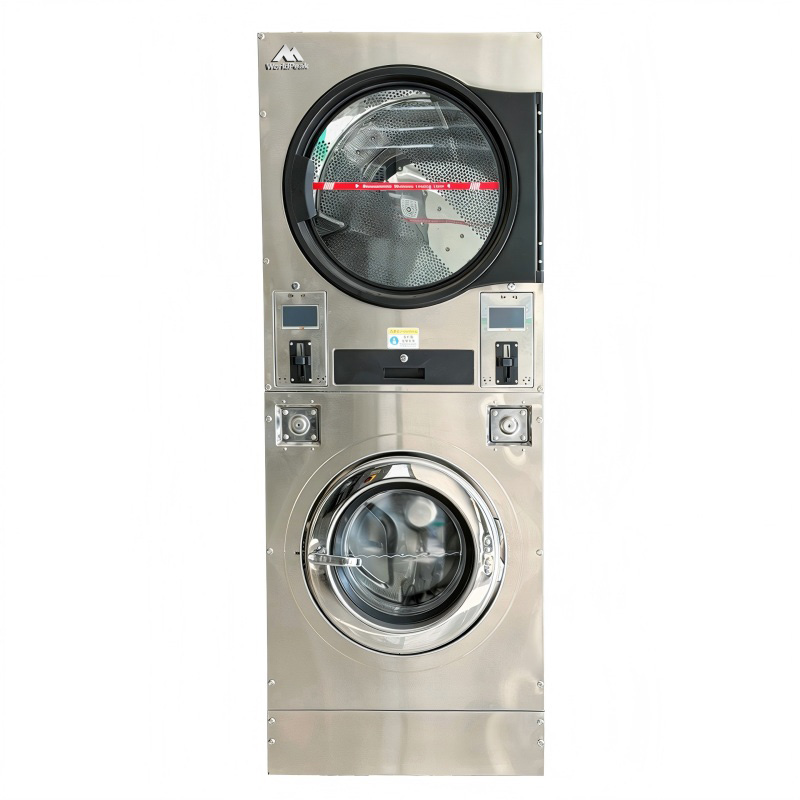
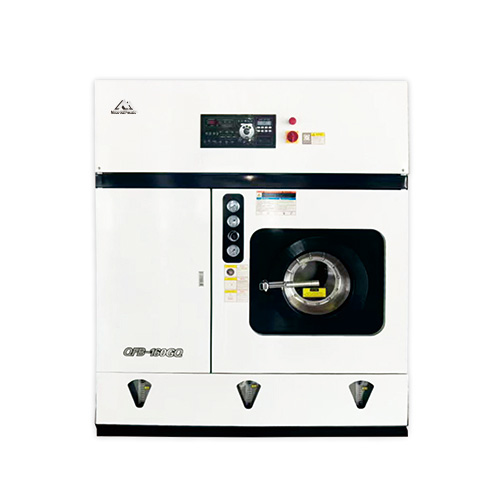
Small neighborhood laundry shops are usually located near residential communities and typically occupy about 30 to 50 square meters. They mainly provide daily garment washing and dry-cleaning services for local residents, generally handling fewer than 50 garments per day while also processing a limited quantity of bed sheets, duvet covers, and other household textiles. For this type of business, the equipment configuration should focus on practicality, compact size, and basic garment-care functions. A typical entry-level package includes a fully enclosed dry-cleaning machine, a 10 kg commercial washer-extractor, a matching tumble dryer, a basic vacuum ironing table, a compact spotting table, a garment disinfection cabinet, and basic packaging equipment. When standard domestic machines are selected, the total price of a complete laundry equipment package is generally around RMB 30,000 to RMB 50,000. For entrepreneurs with a very limited budget, choosing basic models and excluding optional equipment such as garment conveyor systems and form finishers can keep the initial investment close to RMB 30,000. If inverter-controlled and energy-efficient machines are selected to reduce long-term utility consumption, the total equipment budget may increase to approximately RMB 50,000 to RMB 80,000. This type of configuration can usually be operated by one person and is suitable for first-time laundry business owners looking for a relatively low initial investment.
Typical Equipment for a Small Laundry Shop
- Fully enclosed dry-cleaning machine
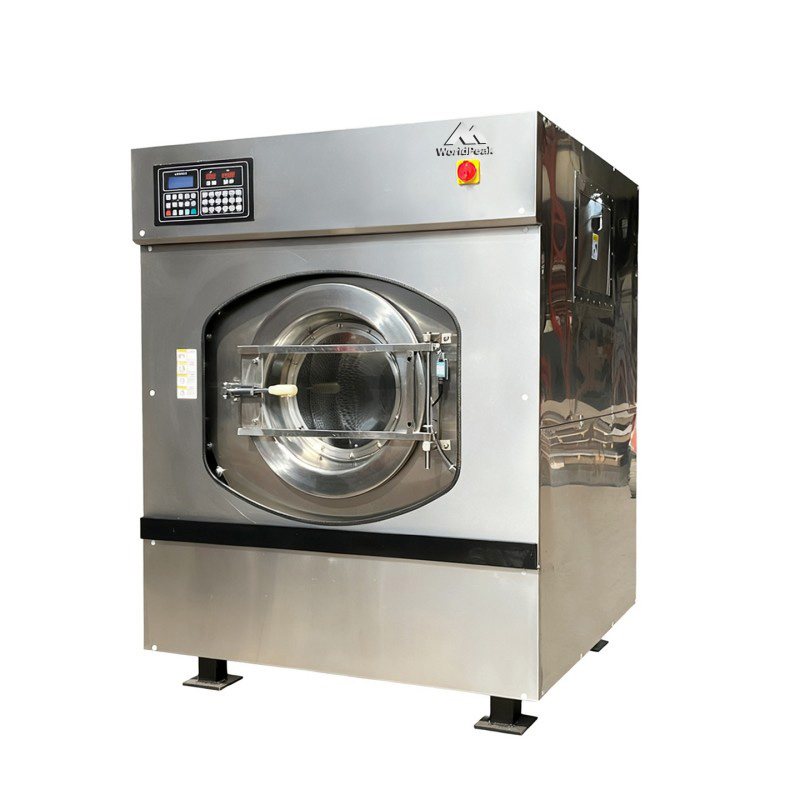
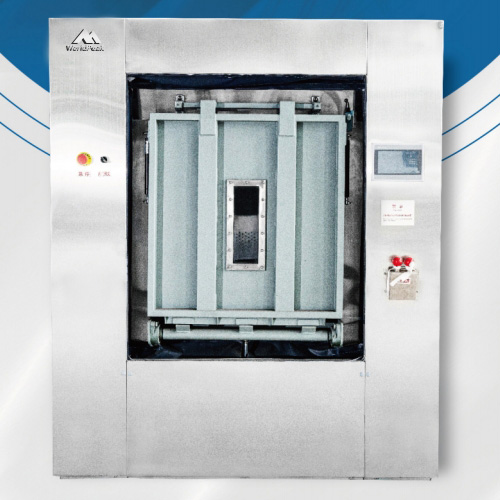
- 10 kg commercial washer-extractor
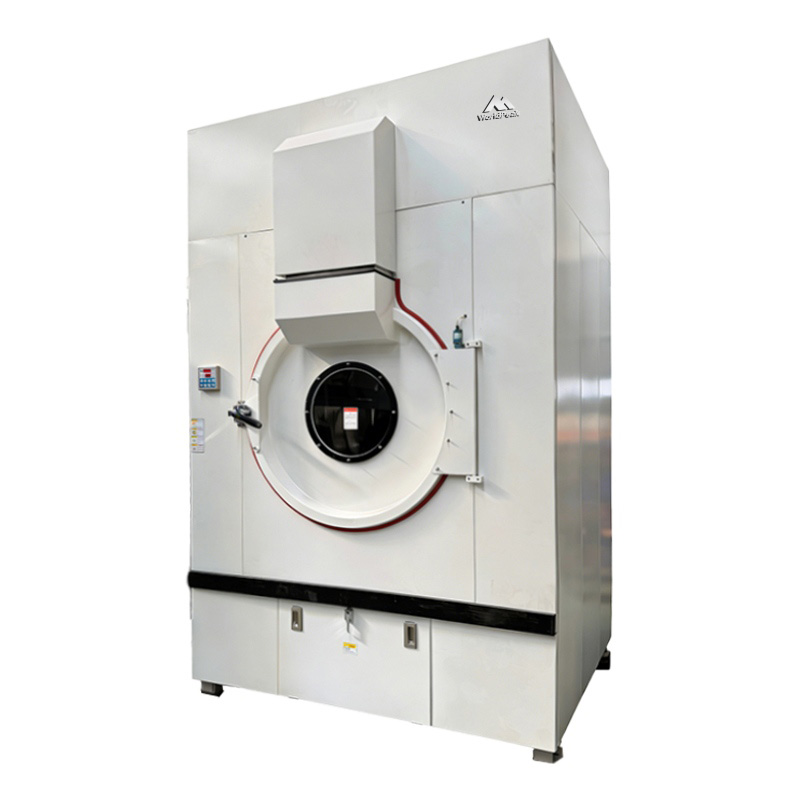
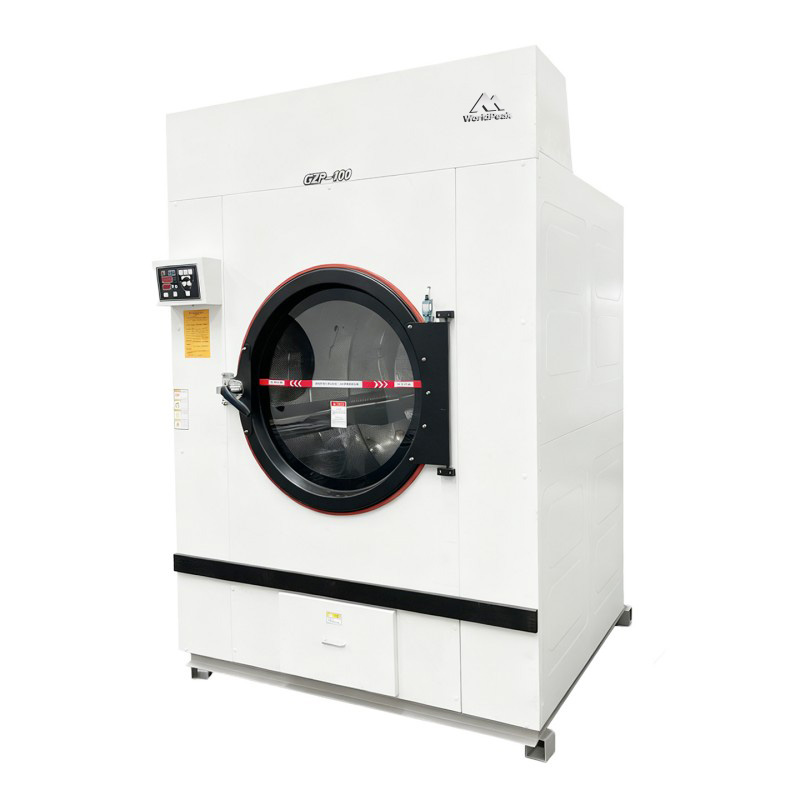
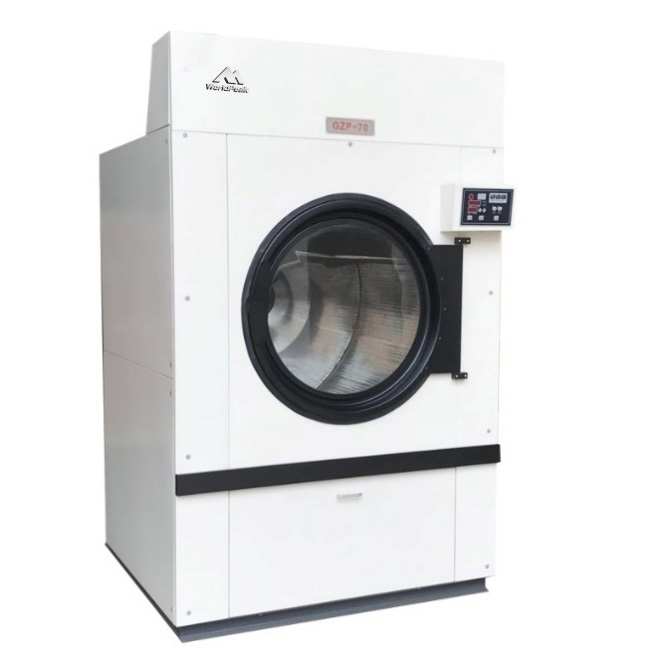
- Commercial tumble dryer
- Vacuum ironing table
- Spotting table
- Garment disinfection cabinet
- Basic garment packaging equipment
How Much Does Equipment for a Medium-Sized Commercial Laundry Shop Cost?
Medium-sized laundry shops are commonly located near shopping centers, office districts, or densely populated commercial areas. A typical store covers approximately 80 to 100 square meters and processes around 80 to 120 garments per day. In addition to ordinary customer clothing, these businesses may also accept small linen-processing orders from nearby hotels, guesthouses, spas, or serviced apartments. As a result, they require higher washing efficiency and a wider range of garment-care equipment. A typical equipment package may include a fully enclosed environmentally friendly dry-cleaning machine, a 15 kg commercial washer-extractor, an energy-efficient heat-pump tumble dryer, a form finisher, trouser topper, automatic garment conveyor system, and professional multi-function spotting table. A standard set of domestic commercial laundry equipment generally costs around RMB 80,000 to RMB 150,000. Heat-pump dryers have a higher initial purchase cost than conventional electrically heated tumble dryers, but they can significantly reduce electricity consumption during long-term operation. If the business plans to expand into leather care, luxury garment cleaning, or premium textile restoration, additional specialty workstations and garment-care machines may add approximately RMB 30,000 to RMB 50,000 to the overall equipment budget.
Typical Equipment for a Medium-Sized Laundry Shop
- Fully enclosed dry-cleaning machine
- 15 kg commercial washer-extractor
- Heat-pump tumble dryer
- Form finisher
- Trouser topper
- Automatic garment conveyor
- Multi-function spotting table
- Optional leather and luxury garment-care equipment
How Much Does High-End Laundry Equipment Cost?
High-end flagship laundry stores are generally located in premium residential areas or central commercial districts and usually occupy more than 100 square meters. These businesses focus on high-value garments, delicate fabrics, fur, leather goods, luxury garment care, and sometimes bulk commercial linen-processing orders. Therefore, they require higher standards for equipment capacity, automation, washing consistency, finishing quality, and durability. A complete high-end laundry equipment system may include large-capacity intelligent washer-extractors, advanced fully enclosed dry-cleaning machines, professional ironing and finishing equipment, automatic sorting and garment conveyor systems, steam generators, and independent water-treatment systems. A high-specification domestic equipment package may cost approximately RMB 250,000 to RMB 400,000. If imported commercial laundry equipment is selected, the total investment may increase to around RMB 400,000 to RMB 600,000 or more depending on the brand, capacity, and level of automation. Highly automated equipment can reduce repetitive manual handling and improve daily processing capacity, making this configuration suitable for chain stores, centralized garment-care centers, and businesses handling large-volume commercial orders.
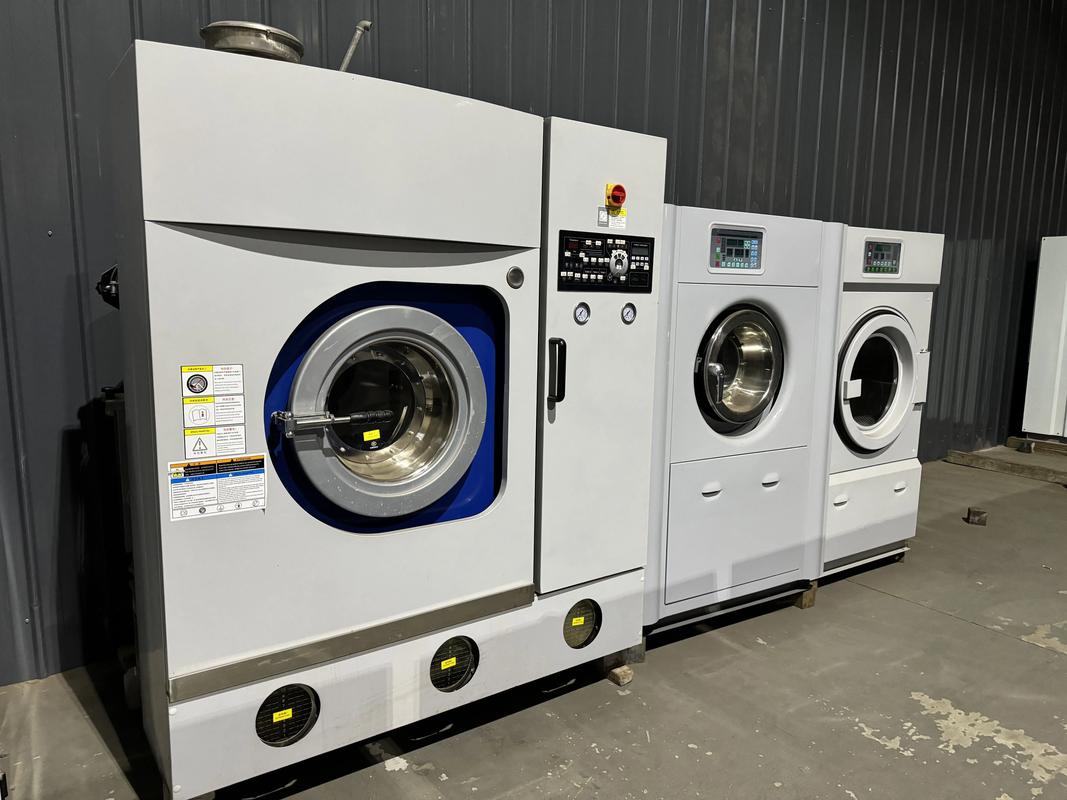
Typical Equipment for a High-End Laundry Store
- Large-capacity intelligent washer-extractors
- High-end fully enclosed dry-cleaning machines
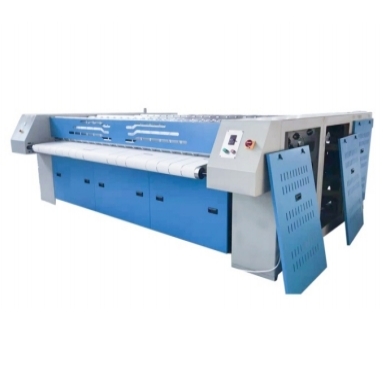
- Professional ironing and finishing equipment
- Automatic garment sorting system
- Automatic garment conveyor system
- Steam generator
- Water-treatment equipment
- Specialized leather and luxury garment-care equipment
What Factors Affect Commercial Laundry Equipment Prices?
In addition to store size, several key factors directly affect the total cost of a complete commercial laundry equipment setup. The first factor is equipment brand and country of origin. Established domestic manufacturers usually offer a competitive balance between purchase price, performance, spare-parts availability, and after-sales service, while imported equipment generally requires a higher initial investment. The second factor is energy-saving technology. Basic fixed-speed machines are less expensive to purchase, while inverter-controlled washer-extractors and heat-pump dryers have higher upfront costs but may reduce long-term water and electricity expenses. The third factor is whether the equipment is new or used. Used commercial laundry equipment can cost substantially less than new machines of the same capacity, but equipment condition, maintenance history, spare-parts availability, failure risk, and warranty coverage should be carefully evaluated before purchase. The fourth factor is auxiliary equipment. Steam generators, garment folding machines, automatic conveyors, intelligent POS systems, sorting systems, and other optional equipment can all increase the total investment.
1. Equipment Brand and Origin
Commercial laundry equipment from different manufacturers can vary considerably in price. Buyers should compare not only the purchase price but also machine durability, spare-parts availability, technical support, and after-sales maintenance.
2. Equipment Capacity
A larger washer-extractor, tumble dryer, or dry-cleaning machine generally costs more than a smaller model. The correct capacity should be selected according to daily processing volume rather than simply choosing the largest machine available.
3. Energy-Saving Technology
Inverter drives, heat-pump drying systems, intelligent control systems, and automatic chemical dosing may increase the initial equipment cost but can help improve operational efficiency over the service life of the machines.
4. New vs. Used Laundry Equipment
Second-hand machines may reduce initial investment, but buyers should carefully inspect the motor, bearings, drum, control system, heating system, and maintenance records. For businesses planning long-term operation, new equipment with reliable warranty and technical support is generally easier to manage.
5. Optional Auxiliary Equipment
Garment conveyors, steam generators, water-treatment systems, automatic folding equipment, form finishers, and intelligent sorting systems are not necessary for every store. They should be added according to actual service categories and daily workload.
How Much Budget Should You Prepare for Laundry Equipment?
Overall, an entrepreneur opening a small neighborhood laundry shop can generally prepare an equipment budget of around RMB 50,000 for a practical basic setup. A standard commercial laundry store should typically reserve approximately RMB 100,000 to RMB 150,000 for equipment, while a high-end garment-care store or laundry business handling larger commercial linen orders should plan for an investment starting from around RMB 250,000. When purchasing laundry equipment for a new laundry business, there is no need to choose the highest specification for every machine. The better approach is to select washer-extractors, tumble dryers, dry-cleaning machines, ironing equipment, and auxiliary systems according to expected customer volume, daily processing capacity, service categories, floor space, utility conditions, labor costs, and future expansion plans. A properly matched equipment configuration can help balance initial investment with long-term operating efficiency.
Frequently Asked Questions About Laundry Equipment Cost
How much does a complete set of laundry equipment cost?
A complete set of commercial laundry equipment can range from approximately RMB 30,000 for a basic small-shop configuration to RMB 600,000 or more for a high-end automated laundry setup. The exact cost depends on machine capacity, brand, configuration, automation level, and service requirements.
What equipment is needed to open a small laundry shop?
A small laundry shop generally needs a dry-cleaning machine, commercial washer-extractor, tumble dryer, ironing table, spotting table, garment disinfection equipment, and basic packaging equipment. Optional machines can be added as customer volume increases.
Is a 10 kg or 15 kg washer-extractor suitable for a laundry shop?
A 10 kg washer-extractor can be suitable for a small neighborhood laundry with relatively low daily volume, while a 15 kg machine provides greater flexibility for medium-sized stores handling more garments and occasional household linen. The ideal capacity depends on the number of loads processed each day.
Should I buy new or used commercial laundry equipment?
Used laundry equipment can reduce initial costs, but it may involve higher maintenance risks and limited warranty coverage. New equipment is generally more suitable for businesses planning stable, long-term operation, especially when reliable after-sales service is important.
Are energy-efficient laundry machines worth the higher price?
For laundries with stable daily workloads, energy-efficient washer-extractors and heat-pump dryers may help reduce long-term utility expenses. Whether the additional investment is worthwhile depends on local electricity and water prices, machine utilization, and expected operating years.
How do I choose the right commercial laundry equipment package?
Start by estimating daily garment volume, service categories, available floor space, power supply, water supply, drainage, ventilation, staffing, and future growth. Equipment capacities should be matched across washing, drying, ironing, and finishing stages to avoid production bottlenecks.
The cost of a complete set of laundry equipment varies significantly depending on the size and positioning of the business. A small neighborhood laundry may require only a basic washer-extractor, dryer, dry-cleaning machine, and ironing equipment, while a high-end commercial laundry may need automated sorting, garment conveyors, advanced finishing systems, water treatment, and specialized garment-care machines.
Instead of purchasing equipment solely based on price, laundry owners should evaluate daily processing volume, garment categories, available space, labor requirements, energy consumption, equipment reliability, and future expansion. A properly designed commercial laundry equipment package can provide a better balance between upfront cost, production capacity, operating expenses, and long-term business efficiency.