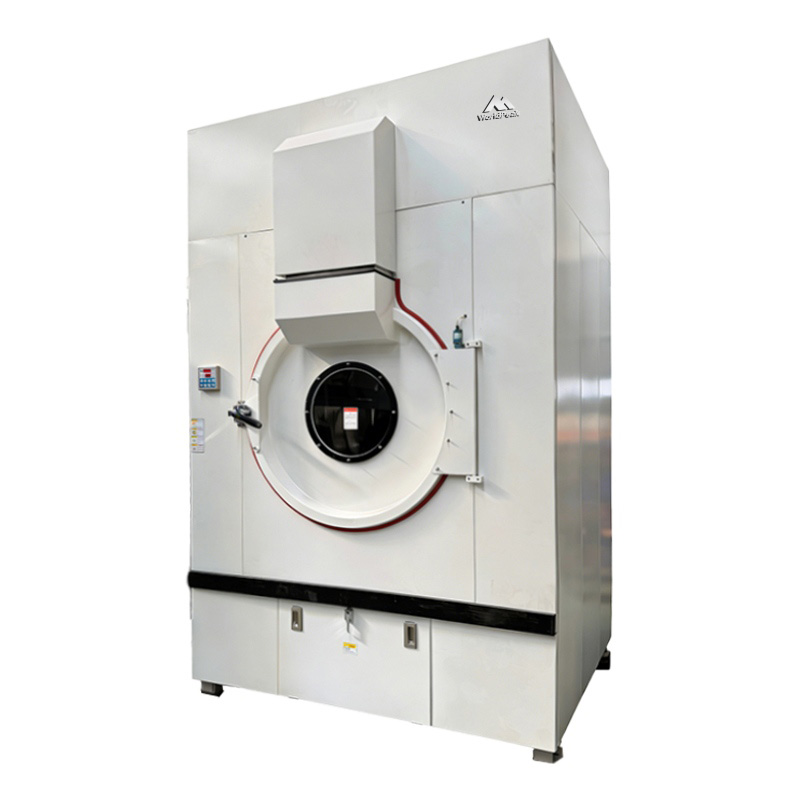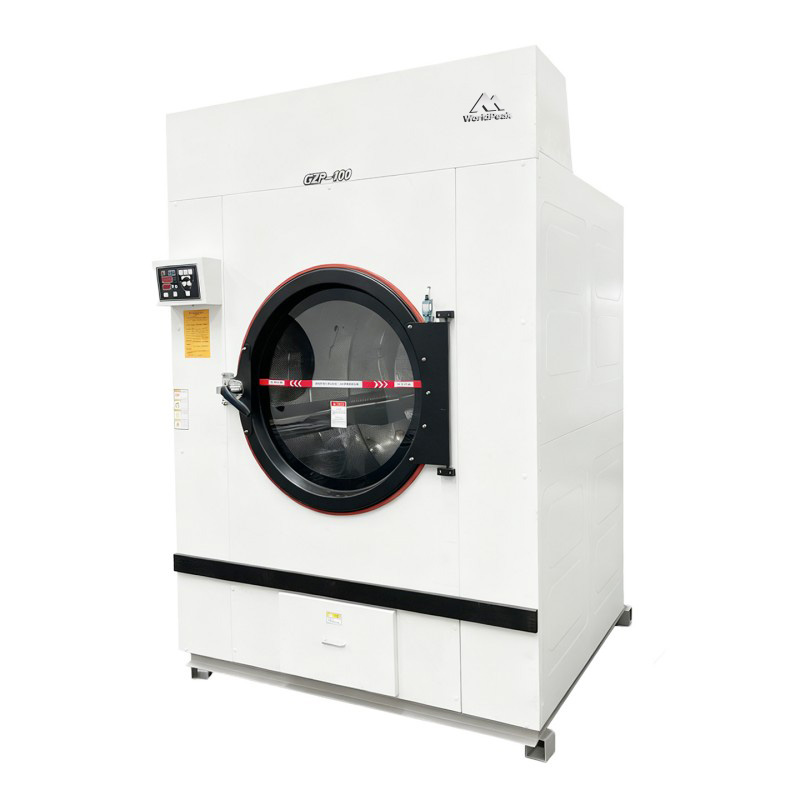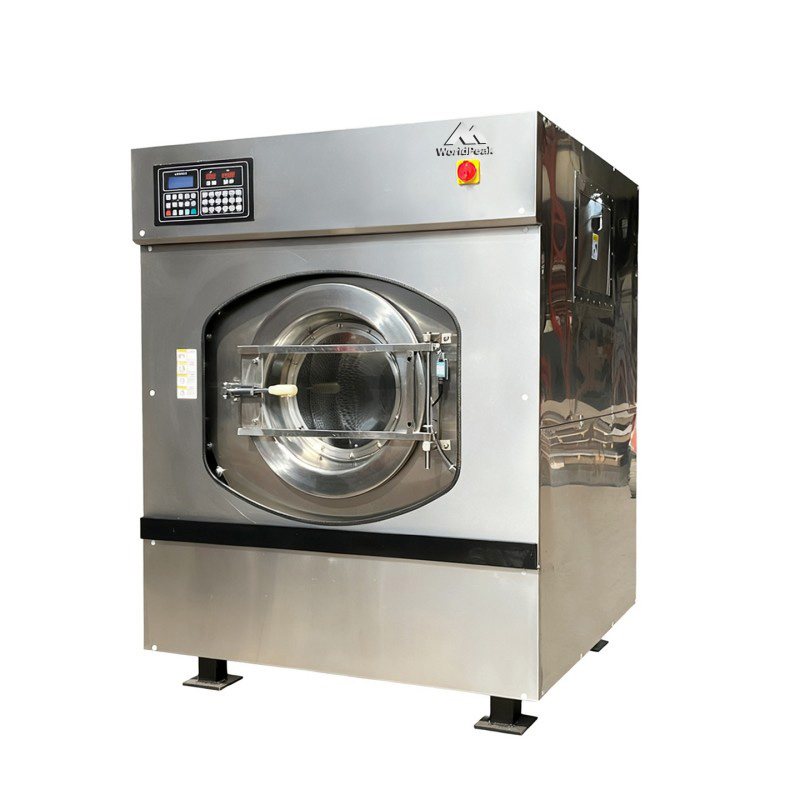


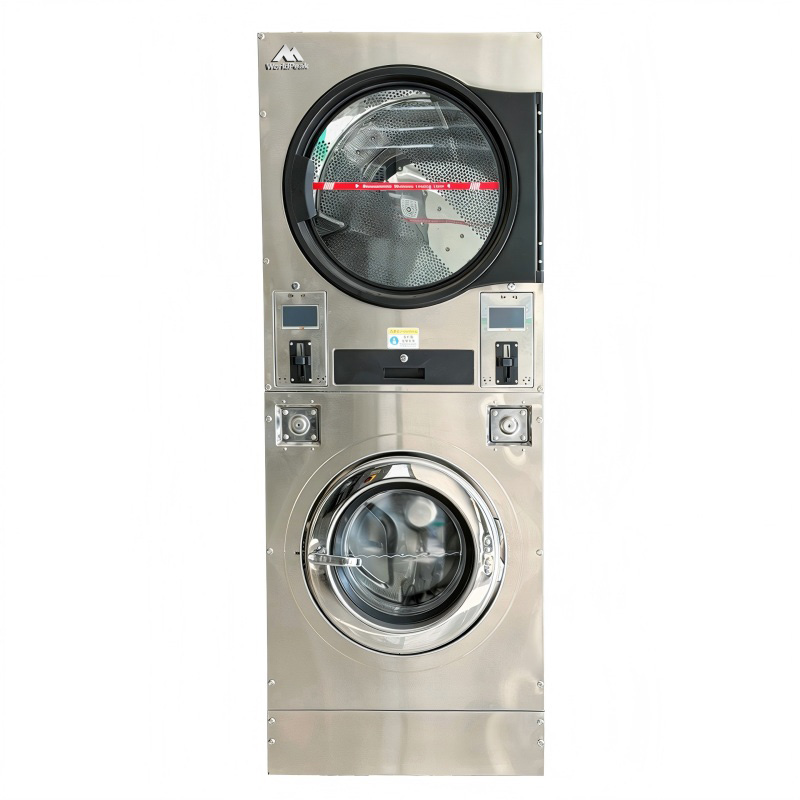
There is a large amount of used commercial laundry equipment available on the market, and many entrepreneurs planning to start a linen washing business consider purchasing second-hand machines to reduce initial investment. However, used laundry equipment is not suitable for every operator. A lower purchase price can be attractive, but potential repair costs, equipment downtime, spare-parts availability, remaining service life, and lack of warranty may significantly increase long-term operating risks. Whether you should buy used or new laundry equipment depends mainly on your available budget, technical maintenance capability, production requirements, equipment condition, and tolerance for downtime.
- Used vs. New Laundry Equipment: Main Differences
- Should Startups Buy Used Laundry Equipment?
- Advantages of Buying New Laundry Equipment
- When Does Used Laundry Equipment Make Sense?
- What to Check Before Buying Used Equipment
- How to Compare New and Used Equipment Prices
- How to Choose Between New and Used Equipment
- Frequently Asked Questions
Used vs. New Commercial Laundry Equipment: Main Differences
The biggest difference between new and used industrial laundry equipment is not simply the purchase price. New machines generally provide more predictable performance, full warranty coverage, longer remaining service life, and easier access to manufacturer support. Used machines cost less initially but may come with unknown maintenance history, component wear, higher failure risk, and limited after-sales support.
New Laundry Equipment
New equipment is generally more suitable for businesses that require stable production and cannot afford frequent downtime. Typical advantages include:
- New motors, bearings, seals, and control components
- Manufacturer warranty
- Installation and commissioning support
- Operator training
- Better spare-parts availability
- More predictable maintenance costs
- Newer energy-saving and control technologies
Used Laundry Equipment
Used commercial laundry machines can reduce upfront capital requirements, but buyers need to understand the actual condition of the machine and be prepared for possible maintenance.
Potential risks include:
- Unknown operating history
- Wear on bearings and seals
- Motor or inverter aging
- Drum corrosion or deformation
- Outdated control systems
- Limited warranty coverage
- Difficulty obtaining spare parts
- Unexpected production downtime
Should a Startup Laundry Business Buy Used Equipment?
For many new laundry entrepreneurs, limited capital is the main reason for considering second-hand machines. However, if a startup has little experience with industrial laundry equipment and no in-house technical support, used equipment may create more risk than expected.
A second-hand washer-extractor or dryer may appear inexpensive at the time of purchase, but repeated breakdowns can quickly increase actual costs. More importantly, if the main production machine stops working during a busy period, the business may be unable to complete customer orders on time.
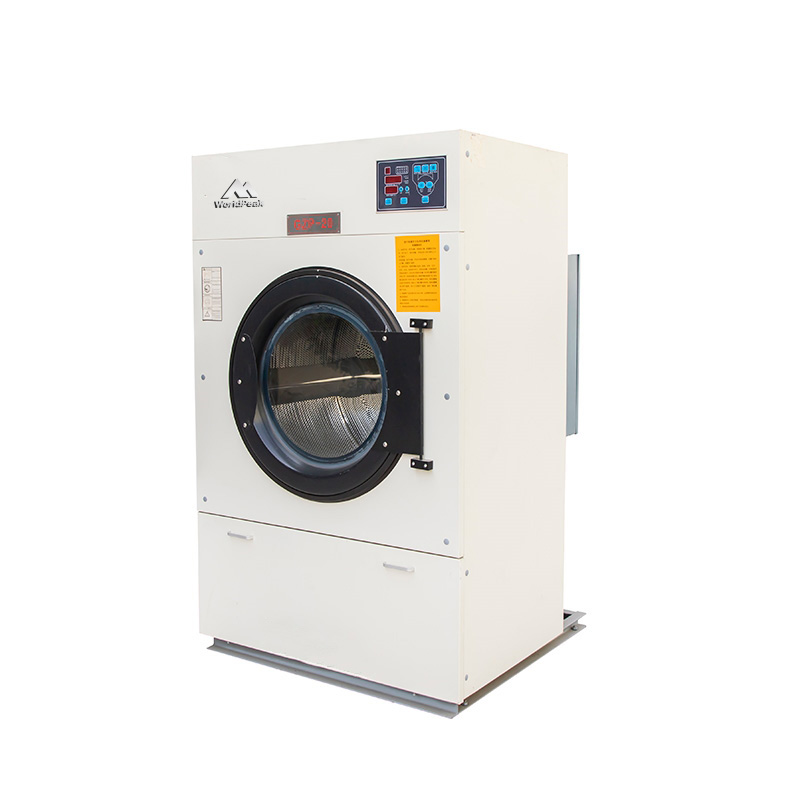
Why New Equipment Is Often Safer for First-Time Buyers
For entrepreneurs entering the commercial laundry industry for the first time, new equipment generally provides greater operational certainty.
The main reasons include:
- Lower probability of early mechanical failure
- Clear warranty terms
- Manufacturer technical support
- Known equipment specifications
- More reliable installation and commissioning
- Better access to training and spare parts
For a startup that depends heavily on a small number of core machines, reliability is especially important because the failure of one washer or dryer can affect a large percentage of total production capacity.
Advantages of Buying New Laundry Equipment
1. More Predictable Equipment Condition
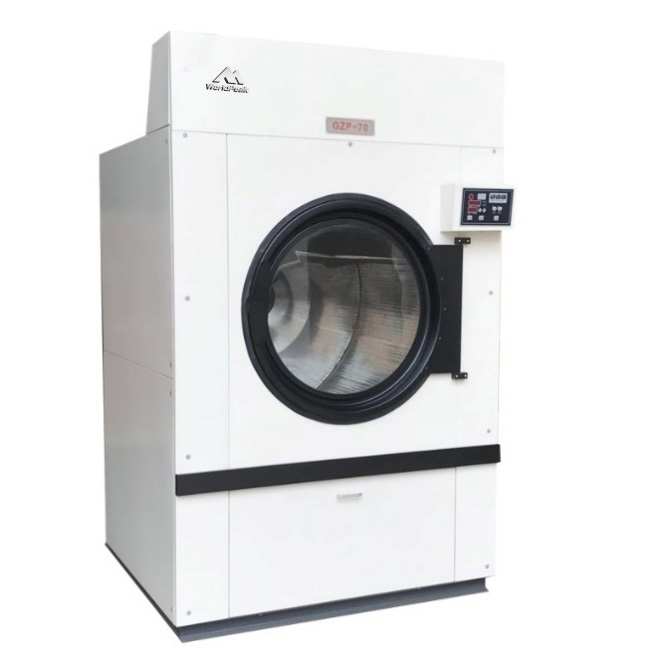
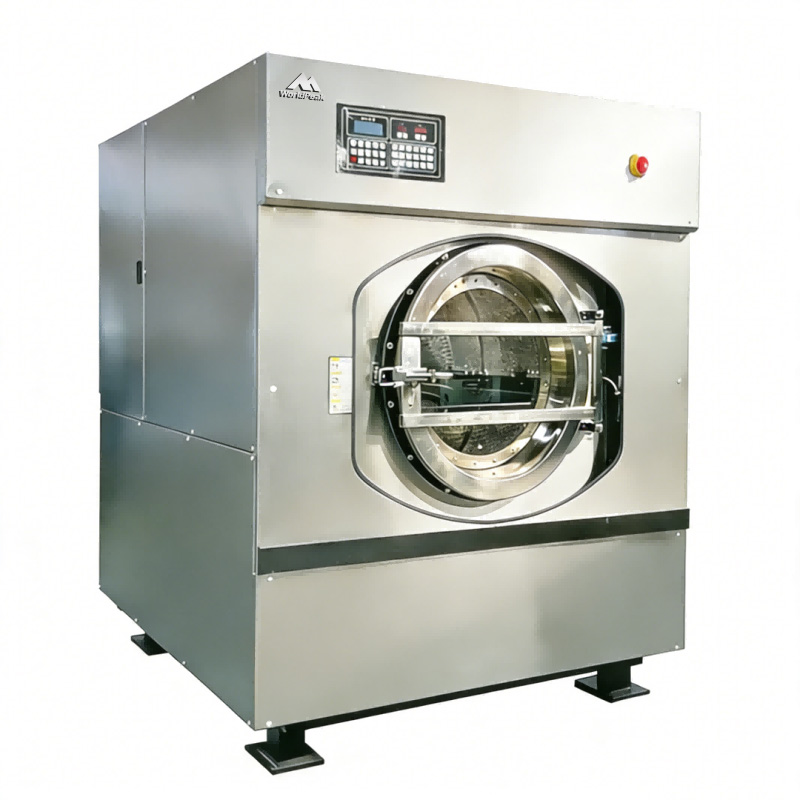
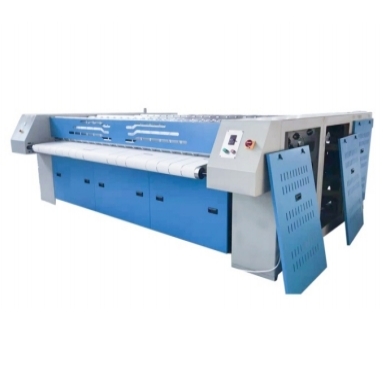
A new washer-extractor, tumble dryer, or flatwork ironer has not accumulated mechanical wear from previous operation. Motors, bearings, seals, drums, valves, and control systems begin service in their original condition.
2. Manufacturer Warranty
Warranty coverage is one of the most important advantages of buying new equipment. If a fault occurs during the warranty period, the manufacturer or authorized service provider can usually provide technical diagnosis, replacement parts, or repair support according to the warranty terms.
3. Easier Installation and Commissioning
New equipment suppliers often provide installation guidance or commissioning services. This can help ensure that water supply, drainage, power, steam, ventilation, and machine leveling meet the equipment requirements.
4. Better Energy Efficiency
Newer industrial laundry machines may include variable-frequency drives, programmable water levels, improved extraction systems, more efficient heating configurations, and intelligent controls.
For facilities operating every day, lower water, electricity, steam, or gas consumption can gradually offset part of the higher initial purchase cost.
5. Easier Spare-Parts Support
Current-generation machines generally have better spare-parts availability than older discontinued models. This can reduce repair delays and simplify long-term maintenance planning.
When Does Used Laundry Equipment Make Sense?
Used laundry equipment is not necessarily a poor choice. In some situations, purchasing second-hand machines can be economically reasonable.
Experienced Laundry Operators
If you already operate a commercial laundry and understand washer-extractors, dryers, ironers, motors, bearings, inverters, valves, and control systems, you may be able to evaluate used equipment more accurately.
Experienced operators are more likely to identify hidden defects, estimate repair costs, and determine whether the asking price reflects the machine's actual condition.
Businesses With In-House Maintenance Capability
A laundry plant with skilled technicians can manage the risks of used equipment more effectively. If a machine develops a minor fault, in-house staff may be able to repair it quickly instead of waiting for external service.
Backup Equipment
Used machines can also be suitable as backup capacity. A second-hand washer or dryer that is not part of the primary production line may provide useful support during maintenance periods or seasonal demand peaks.
Short-Term or Transitional Operations
Businesses operating temporarily, testing a new market, or expanding gradually may consider used machines if they understand the potential maintenance risks.
Technically Experienced First-Time Owners
A newly established laundry plant may also successfully use second-hand equipment if the owner or technical team has strong experience in industrial laundry machine inspection, maintenance, and repair.
What to Check Before Buying Used Commercial Laundry Equipment
If you decide to purchase second-hand laundry equipment, a thorough inspection is essential. Never evaluate the machine based only on exterior appearance.
1. Machine Age and Operating Hours
Ask for the manufacturing date, installation date, daily operating hours, and previous usage environment. A machine that operated one shift per day may have very different wear from one that operated continuously.
2. Maintenance History
Request maintenance records whenever possible. Check whether major components have been repaired or replaced and whether preventive maintenance was performed regularly.
3. Drum and Outer Cylinder
Inspect for:
- Corrosion
- Cracks
- Deformation
- Abnormal welding repairs
- Excessive wear
4. Bearings
Listen for abnormal noise during rotation and high-speed extraction. Worn bearings can be expensive and time-consuming to replace on large industrial washer-extractors.
5. Motor and Inverter
Check motor operation, temperature, vibration, inverter alarms, and whether the drive components are original or have previously been replaced.
6. Suspension and Shock Absorption System
For suspended washer-extractors, inspect springs, dampers, air bags, shock absorbers, and related components for aging or damage.
7. Door and Sealing System
Check door locks, hinges, gaskets, seals, and safety interlocks. Leakage or door-lock failure can affect both safety and production.
8. Heating System
For electric-heated equipment, inspect heating elements and electrical connections. For steam-heated machines, check valves, piping, and heat-transfer components for leaks or corrosion.
9. Control System
Confirm that the controller, display, buttons, temperature sensors, water-level controls, and automatic programs function correctly.
10. Spare-Parts Availability
Before purchasing an older machine, confirm whether the manufacturer still supplies critical spare parts or whether compatible replacement components are available.
How to Compare New and Used Laundry Equipment Prices
Before buying second-hand equipment, it is useful to obtain the current price of an equivalent new machine. This provides a realistic reference for evaluating the used equipment quotation.
Compare Total Cost, Not Only Purchase Price
A used machine may be cheaper initially, but the real comparison should include:
- Purchase price
- Transportation costs
- Installation expenses
- Refurbishment costs
- Replacement parts
- Expected maintenance expenses
- Water and energy consumption
- Possible production downtime
- Remaining service life
For example, if a used machine costs significantly less than a new unit but immediately requires replacement bearings, seals, an inverter, and control components, the actual savings may be much smaller than expected.
Ask the Original Manufacturer for Information
If the machine brand and model are known, contacting the original manufacturer can be useful. Buyers may be able to confirm current new-equipment prices, production date, parts availability, discontinued components, and approximate maintenance costs.
How to Choose Between New and Used Laundry Equipment
Choose New Equipment If:
- You are entering the laundry industry for the first time
- You have limited technical maintenance experience
- Your business depends heavily on a small number of machines
- Production downtime would cause major customer losses
- You need reliable warranty and after-sales support
- You plan to operate the equipment for many years
Consider Used Equipment If:
- You understand industrial laundry machine repair and maintenance
- You have an experienced technical team
- The machine has a clear maintenance history
- The purchase price leaves enough budget for possible repairs
- Spare parts remain readily available
- The machine will be used as backup or supplementary capacity
A Practical Strategy for Startup Laundries
Instead of purchasing a large number of second-hand machines simply to reduce initial investment, a startup may consider beginning with fewer new machines and a more streamlined workflow.
As order volume increases and the business model becomes more stable, additional washer-extractors, dryers, ironing equipment, and folding systems can be added gradually.
This approach can reduce initial capital pressure while maintaining more predictable equipment reliability.
Frequently Asked Questions About Used Laundry Equipment
Is used commercial laundry equipment worth buying?
It can be worthwhile if the equipment is in good condition, has a clear maintenance history, is priced appropriately, and the buyer has sufficient technical capability to evaluate and maintain it. For inexperienced operators, new equipment is generally lower risk.
How much cheaper is used laundry equipment than new equipment?
The discount varies significantly according to machine age, condition, brand, capacity, remaining service life, and refurbishment quality. Buyers should compare the used price with the current price of an equivalent new machine before making a decision.
What used laundry machines are the riskiest to buy?
Older high-speed washer-extractors with worn bearings, damaged drums, aging suspension systems, obsolete controllers, or unavailable spare parts can create significant repair risk. Any machine with an unclear maintenance history should be inspected carefully.
Should a startup laundry buy new or used equipment?
For most first-time operators without strong technical maintenance capability, new equipment is usually the safer option because it provides more predictable reliability, warranty coverage, installation support, and spare-parts access.
Can used equipment be suitable as backup machines?
Yes. Used washer-extractors or dryers can be practical as backup capacity if they are in acceptable condition and do not carry the full production load of the facility.
What should I inspect before buying a used washer-extractor?
Check the drum, bearings, motor, inverter, suspension system, door seals, valves, heating system, control panel, electrical components, maintenance history, and spare-parts availability. A full-load test cycle is also useful where possible.
Should I buy refurbished laundry equipment?
Professionally refurbished equipment can be more attractive than machines sold in unknown condition, but buyers should verify exactly which components were replaced, who performed the refurbishment, and whether any warranty is provided.
Is an old machine with a well-known brand always a good choice?
Not necessarily. Brand reputation is useful, but the condition, age, service history, remaining spare-parts support, and actual operating performance of the individual machine are more important.
How can I reduce the risk of buying second-hand laundry equipment?
Use an experienced technician to inspect the machine, request maintenance records, perform a test run, compare the price with a new equivalent, confirm spare-parts availability, and reserve part of the budget for future repairs.
Conclusion
Choosing between used and new commercial laundry equipment should not be based on purchase price alone. Used equipment can reduce initial capital requirements, but it also introduces greater uncertainty in machine condition, maintenance costs, downtime, and remaining service life.
For first-time laundry entrepreneurs without strong repair capability, new equipment is generally the more predictable choice because it offers warranty coverage, technical support, known machine condition, and easier access to spare parts. Experienced laundry operators with in-house maintenance teams may be able to take advantage of well-maintained second-hand machines, especially for backup capacity or controlled expansion.
Before making a decision, compare the total cost of ownership, including purchase price, installation, repairs, energy consumption, downtime, maintenance, and expected service life. The most economical machine is not necessarily the one with the lowest purchase price, but the one that can support stable production at a manageable long-term cost.