Many entrepreneurs preparing to open a laundry room, commercial laundry plant, or professional linen service company are most concerned about the cost of a complete set of laundry equipment. Depending on machine capacity, production volume, automation level, heating method, and auxiliary systems, the total investment can range from several thousand to more than one hundred thousand U.S. dollars. Based on publicly available equipment configurations from Shanghai Ruili Washing & Ironing Equipment and general industry price references, this guide breaks down typical commercial laundry equipment prices for small, medium, and large laundry operations to help buyers plan a more realistic equipment budget.
- What Is Included in a Complete Laundry Equipment Set?
- Small Laundry Equipment Package: USD 9,000-17,700
- Medium Laundry Equipment Package: USD 21,000-51,500
- Large Central Laundry Plant Equipment: USD 66,200-176,600
- Factors Affecting Commercial Laundry Equipment Prices
- How to Choose the Right Laundry Equipment Package
- What Should a Laundry Equipment Quotation Include?
- Frequently Asked Questions
What Is Included in a Complete Laundry Equipment Set?
A complete commercial laundry equipment system usually includes much more than a washing machine. The exact configuration depends on daily linen volume and the type of textiles being processed.
Core Laundry Equipment
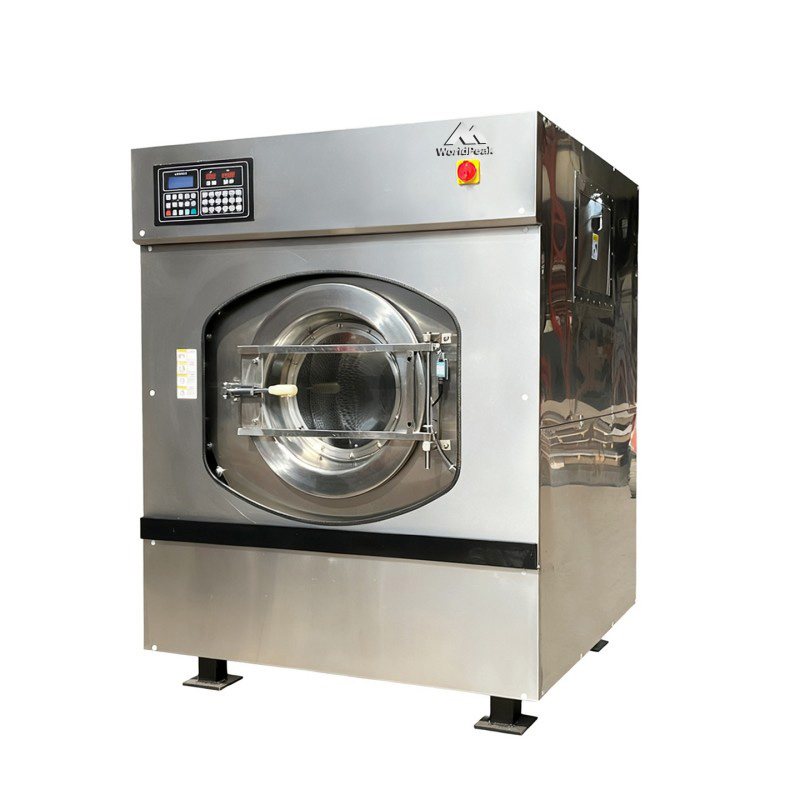
- Industrial washer-extractors
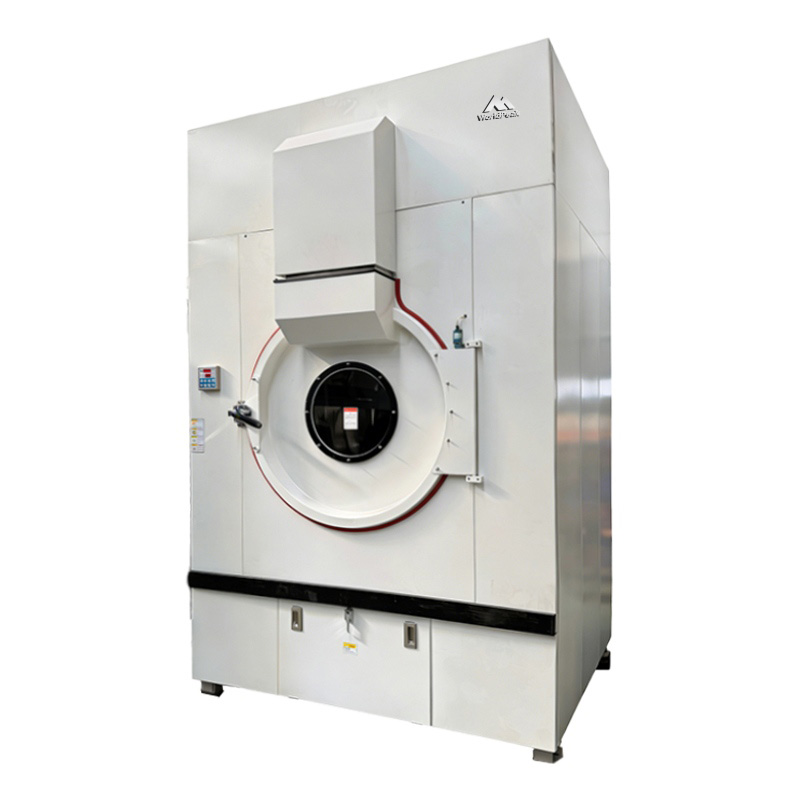
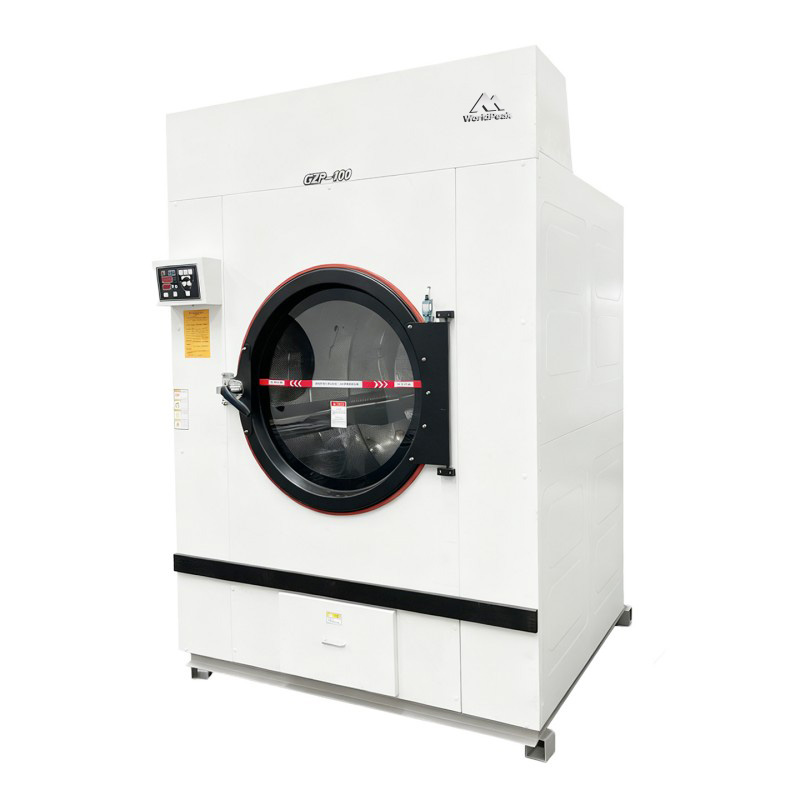
- Industrial tumble dryers
- Flatwork ironers
- Linen feeders
- Automatic folding machines
Auxiliary Equipment
- Automatic chemical dosing systems
- Water softening and treatment equipment
- Steam boilers or steam generators
- Linen sorting tables
- Linen transport carts
- Storage equipment
- Exhaust and ventilation systems
Small laundry businesses may only require washing, drying, and basic ironing equipment, while medium and large commercial laundries usually need a more complete production line with feeding, ironing, folding, steam supply, and water-treatment systems.
Small Complete Laundry Equipment Price: USD 9,000-17,700
A small commercial laundry equipment package is generally suitable for budget hotels with fewer than approximately 30 rooms, small community laundries, beauty salons, guesthouses, and businesses processing relatively limited quantities of linen.
A typical system may be designed around a 30 kg industrial washer-extractor with matching drying and ironing equipment.
Typical Small Laundry Equipment Configuration
Standard configuration: XGQ-30F fully automatic washer-extractor + GZP-30 tumble dryer + single-roll flatwork ironer.
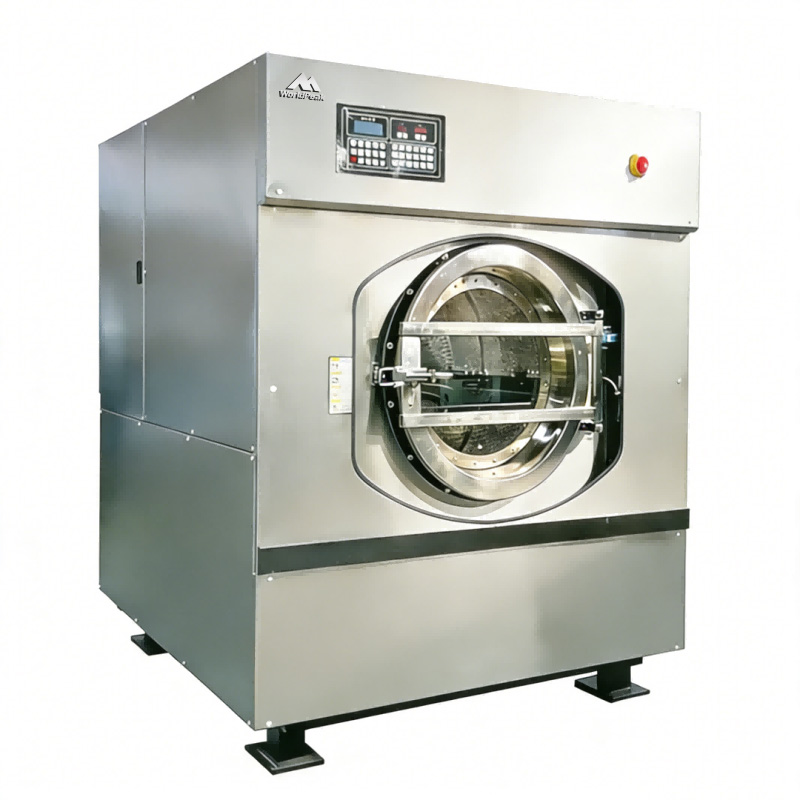
1. 30 kg Fully Automatic Washer-Extractor
The XGQ-30F 30 kg washer-extractor has a reference factory price of approximately USD 4,100-5,300.
The machine integrates washing, rinsing, draining, and high-speed extraction into a single unit, making it suitable for hotel linen, towels, uniforms, and other small commercial textile loads.
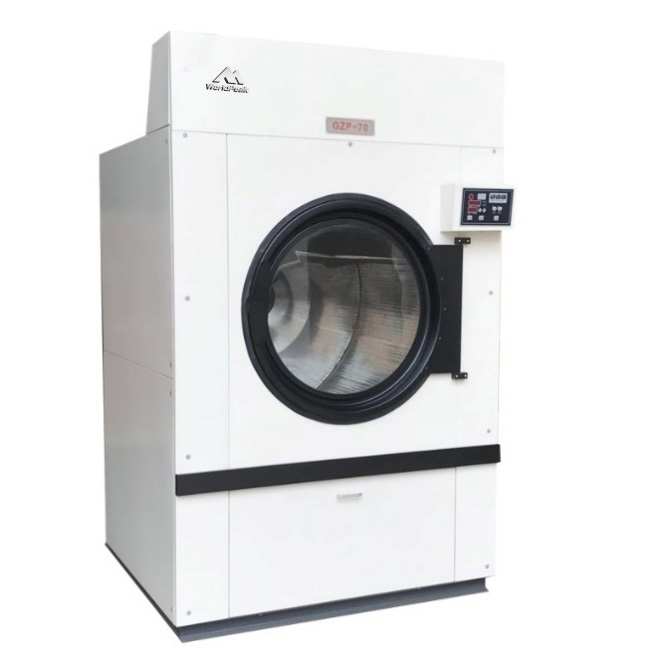
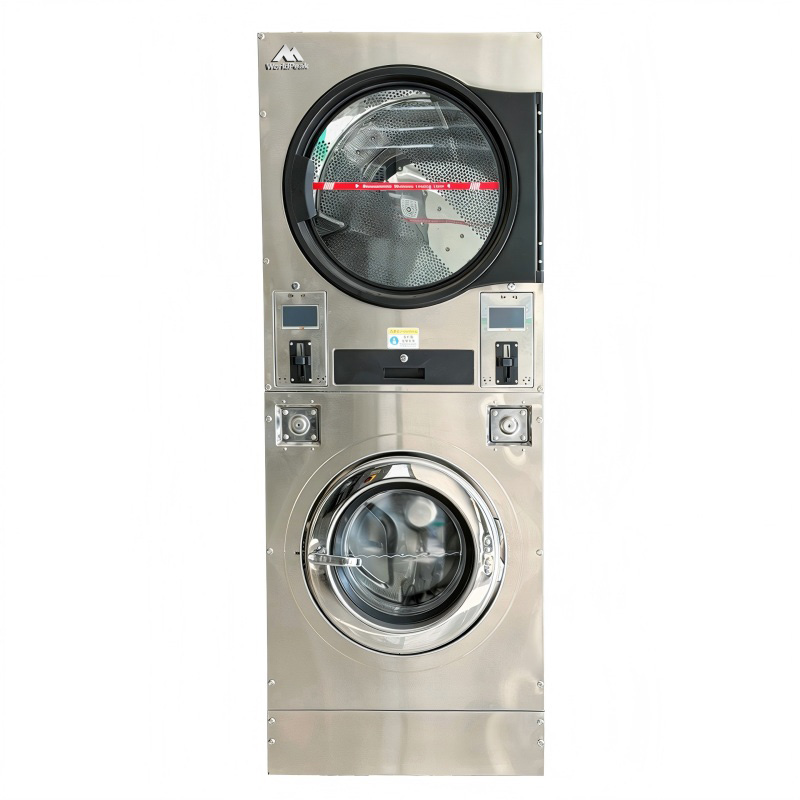
2. 30 kg Commercial Tumble Dryer
A GZP-30 commercial tumble dryer is typically priced at approximately USD 1,600-2,200.
A matching dryer allows washed linen to move directly into the drying stage without relying on natural air drying, helping improve daily turnaround efficiency.
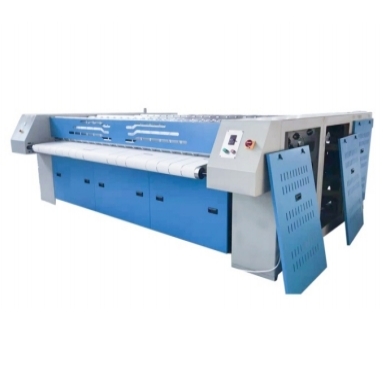
3. Single-Roll Flatwork Ironer
A simple single-roll flatwork ironer may cost approximately USD 3,200-4,400.
This type of machine is suitable for ironing bed sheets, duvet covers, tablecloths, and other flat linen in businesses with moderate daily processing volumes.
Total Cost of a Small Laundry Equipment Set
The reference factory price for the three main machines is approximately USD 9,000-11,900.
If an automatic chemical dosing system, water softening equipment, linen carts, and other auxiliary equipment are added, the complete package may cost approximately USD 11,800-17,700.
This configuration normally does not require an automatic folding machine and is best suited to businesses where daily linen volume is moderate and manual folding is still economically practical.
Medium-Sized Complete Laundry Equipment Price: USD 21,000-51,500
Medium-sized laundry systems are suitable for chain hotels, professional linen washing companies, schools, nursing institutions, resorts, and other facilities that require higher processing capacity.
A typical configuration may be built around a 100 kg washer-extractor and is suitable for facilities processing approximately 500-1,000 sets of linen per day, depending on textile weight, operating hours, and machine utilization.
Typical Medium Laundry Production Line
Standard production line: XGQ-100F washer-extractor + GZP-100 dryer + double-roll steam flatwork ironer + automatic bed-sheet folding machine.
1. 100 kg Industrial Washer-Extractor
A 100 kg fully automatic washer-extractor has a reference price of approximately USD 6,200-6,800.
This capacity is commonly used in professional laundries because it can process large batches of bed sheets, duvet covers, towels, table linen, and other commercial textiles.
2. 100 kg Industrial Tumble Dryer
A matching 100 kg industrial dryer may cost approximately USD 1,900-2,500.
Large-capacity dryers help maintain continuous production by preventing wet linen from accumulating after washing and extraction.
3. Double-Roll Steam Flatwork Ironer
A double-roll steam flatwork ironer may cost approximately USD 4,900-5,600.
Compared with a single-roll model, a double-roll ironer provides higher production capacity and is better suited to medium-sized hotel and commercial laundry operations.
4. Automatic Linen Folding Machine
A four-lane automatic linen folding machine may cost approximately USD 8,100-8,800.
Automatic folding equipment reduces repetitive manual labor and helps standardize the folding and stacking of sheets, pillowcases, and other flat linen.
Total Cost of a Medium Laundry Equipment Package
The total reference price of the four main machines is approximately USD 21,000-23,700.
After adding a steam boiler, water softening equipment, linen feeder, chemical dosing system, transport equipment, and other auxiliary machines, the total turnkey equipment investment may reach approximately USD 26,500-38,300.
If the finishing section is upgraded with a four-roll flatwork ironer, towel folding equipment, and additional automation, the complete production line may cost approximately USD 41,200-51,500.
Large Central Laundry Plant Equipment Price: USD 66,200-176,600
Large centralized laundries processing more than approximately 1,500 sets of linen per day require a much more complete and automated system.
These facilities may serve hotel chains, hospitals, resorts, restaurants, large institutions, or several commercial customers at the same time.
Typical Large Laundry Plant Configuration
- Multiple 100 kg industrial washer-extractors
- Medical barrier washer-extractors where required
- Multiple high-capacity tumble dryers
- Four-roll high-speed flatwork ironing lines
- Automatic linen feeders
- Bed-sheet folding machines
- Towel folding machines
- Steam boiler system
- Automatic chemical dosing system
- Water treatment equipment
- Linen sorting and conveying systems
Depending on equipment quantity, capacity, and automation level, the total price of a complete large-scale laundry production line may range from approximately USD 66,200 to USD 176,600.
Medical Barrier Laundry Equipment
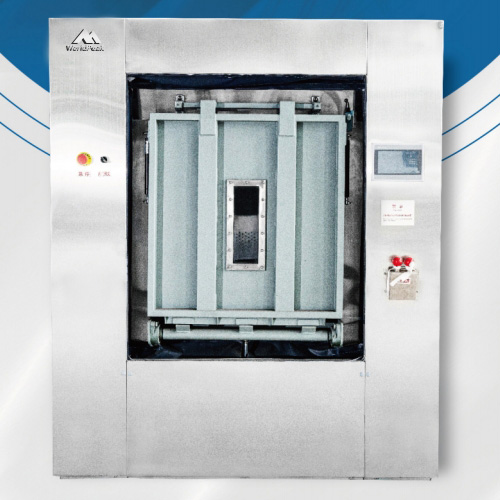
Laundry plants processing healthcare textiles may require medical barrier washer-extractors rather than conventional front-loading machines.
Barrier washers use separate loading and unloading doors to support physical separation between soiled and clean laundry areas. Compared with a standard washer-extractor of similar capacity, the price may increase depending on machine construction, hygiene controls, and project requirements.
Healthcare laundry equipment and processing procedures should be selected according to applicable local hygiene and infection-control standards.
Key Factors Affecting the Price of Complete Laundry Equipment
Two laundry equipment packages with similar nominal capacity can have significantly different quotations. The following factors usually account for most of the price difference.
1. Stainless Steel Materials
The grade and thickness of stainless steel used in the drum, outer cylinder, cabinet, and other wet-contact components affect machine durability and manufacturing cost.
Higher-grade and heavier-duty stainless steel construction generally costs more but may provide better resistance to corrosion, deformation, and long-term mechanical stress.
2. Heating Method
Laundry machines can use electric, steam, gas, heat-pump, or other heating systems.
Electric-heated equipment can be convenient for smaller facilities without steam infrastructure, while steam heating is widely used in larger laundries operating several washers, dryers, and ironers simultaneously.
The most economical option depends on local energy prices, operating hours, and existing utility infrastructure.
3. Level of Automation
Automation is one of the largest factors affecting total equipment cost.
Optional automated systems may include:
- Automatic chemical dosing
- Intelligent touchscreen control
- Automatic linen feeding
- Automatic folding and stacking
- Remote equipment monitoring
- Automatic sorting and conveying
Higher automation increases initial investment but can reduce repetitive manual work in facilities with large and stable order volumes.
4. Auxiliary Equipment
Steam boilers, water softeners, linen feeders, folding machines, chemical dosing systems, ventilation, and transport equipment can significantly increase the final project price.
For this reason, buyers should compare complete equipment lists rather than only the price of the washer-extractor.
5. Equipment Capacity
A 100 kg washer-extractor, dryer, or other industrial machine requires stronger frames, larger drums, more powerful drive systems, and heavier components than a 30 kg model, resulting in a higher manufacturing cost.
6. Brand and After-Sales Service
Warranty coverage, installation, commissioning, operator training, technical support, and spare-parts availability should also be included when evaluating total value.
7. Procurement Channel
Buying directly from the equipment manufacturer may reduce intermediary costs and simplify technical communication, customization, installation, and after-sales service.
However, buyers should compare the complete delivered price and service scope rather than assuming that one procurement channel will always be cheaper.
How to Choose the Right Commercial Laundry Equipment Package
When selecting a complete laundry system, the lowest-priced package is not necessarily the most economical option. Equipment should first match the actual production requirements of the business.
Calculate Daily Laundry Volume
Estimate the total dry weight or number of linen items that must be processed every day. The calculation should include expected peak demand rather than only average daily volume.
Identify the Main Linen Types
Hotels may mainly process sheets and towels, while healthcare facilities handle medical textiles and commercial laundries may serve multiple customer categories.
Different textiles require different washing, drying, and finishing processes.
Determine Daily Operating Hours
A laundry operating eight hours per day requires a different equipment configuration from one operating two or three shifts. Production capacity should be calculated based on both machine size and available operating time.
Match Washing and Finishing Capacity
Washer-extractors, dryers, flatwork ironers, feeders, and folders should have reasonably balanced processing capacities.
Installing large washers without sufficient drying or ironing capacity can simply move the production bottleneck to the next stage.
Evaluate Utilities and Site Conditions
Before finalizing the equipment package, confirm:
- Available floor space
- Electrical capacity
- Water supply
- Drainage capacity
- Steam or gas availability
- Ventilation requirements
- Floor loading
- Equipment access routes
Plan for Future Expansion
If the business expects order volume to grow, sufficient space and utility capacity should be reserved for additional washers, dryers, or finishing equipment.
What Should a Complete Laundry Equipment Quotation Include?
When comparing different suppliers, buyers should request a detailed quotation rather than comparing only the final total.
A Professional Quotation Should Identify:
- Machine model
- Rated capacity
- Quantity
- Heating method
- Motor and inverter configuration
- Control system
- Stainless steel specifications
- Included auxiliary equipment
- Freight and delivery
- Installation and commissioning
- Operator training
- Warranty terms
- Spare-parts support
- After-sales service
Buyers should also confirm whether boilers, water treatment, chemical dosing equipment, ventilation, piping, electrical work, and site modifications are included or quoted separately.
Frequently Asked Questions About Complete Laundry Equipment Prices
How much does a complete set of commercial laundry equipment cost?
A small commercial laundry package may cost approximately USD 9,000-17,700. A medium-sized system may range from around USD 21,000 to USD 51,500, while a large centralized laundry production line may cost approximately USD 66,200-176,600 or more depending on capacity and automation.
What equipment do I need to start a laundry business?
A basic professional laundry generally needs an industrial washer-extractor, tumble dryer, and appropriate ironing or finishing equipment. Depending on business size, additional equipment may include chemical dosing, water treatment, steam systems, feeders, folders, and linen transport equipment.
What size washer-extractor should a small laundry use?
A 30 kg or 50 kg washer-extractor can be suitable for smaller commercial laundries, guesthouses, or hotels with moderate daily linen volumes. The correct size should be calculated according to daily laundry weight and operating hours.
Is a 100 kg washer-extractor suitable for a commercial laundry?
A 100 kg washer-extractor is widely used in medium and large commercial laundries that process substantial quantities of hotel linen, towels, tablecloths, and other textiles. Multiple machines may be installed where higher capacity or greater operating flexibility is required.
Do I need an automatic folding machine?
Small laundries with limited daily flatwork volume may fold linen manually. Medium and large plants can benefit from automatic folding equipment because it reduces repetitive labor and increases finishing consistency.
What is the difference between a standard washer-extractor and a barrier washer?
A standard washer-extractor is normally loaded and unloaded from the same side. A barrier washer has separate loading and unloading doors and is installed between soiled and clean areas, making it suitable for healthcare and other hygiene-sensitive applications.
Should I buy equipment directly from a manufacturer?
Direct purchasing can simplify equipment customization, technical communication, installation, and after-sales coordination. However, buyers should compare the total delivered price, warranty coverage, local service capability, and included support rather than evaluating price alone.
How can I get an accurate laundry equipment quotation?
Provide the supplier with daily linen volume, textile types, operating hours, available floor space, electrical supply, heating source, water and drainage conditions, required automation level, and future expansion plans. The more complete the operating information, the more accurately the equipment package can be configured.
Conclusion
There is no single fixed answer to how much a complete set of commercial laundry equipment costs. A small 30 kg-based laundry system may require an investment of around USD 9,000-17,700, while a medium 100 kg-based production line may cost USD 21,000-51,500. Large centralized laundry plants can require USD 66,200-176,600 or more depending on the number of machines and automation level.
When purchasing equipment, businesses should avoid focusing only on the lowest quotation. The most suitable solution is one that matches actual daily washing volume, textile categories, operating hours, site conditions, labor availability, and long-term expansion plans.
Shanghai Ruili Laundry Equipment Co., Ltd can provide laundry plant layout planning and complete equipment configuration according to customer production requirements. Buyers should request a detailed equipment list and confirm machine specifications, auxiliary systems, installation, commissioning, warranty, and after-sales support before finalizing the procurement plan.